
Last updated November 3, 2026
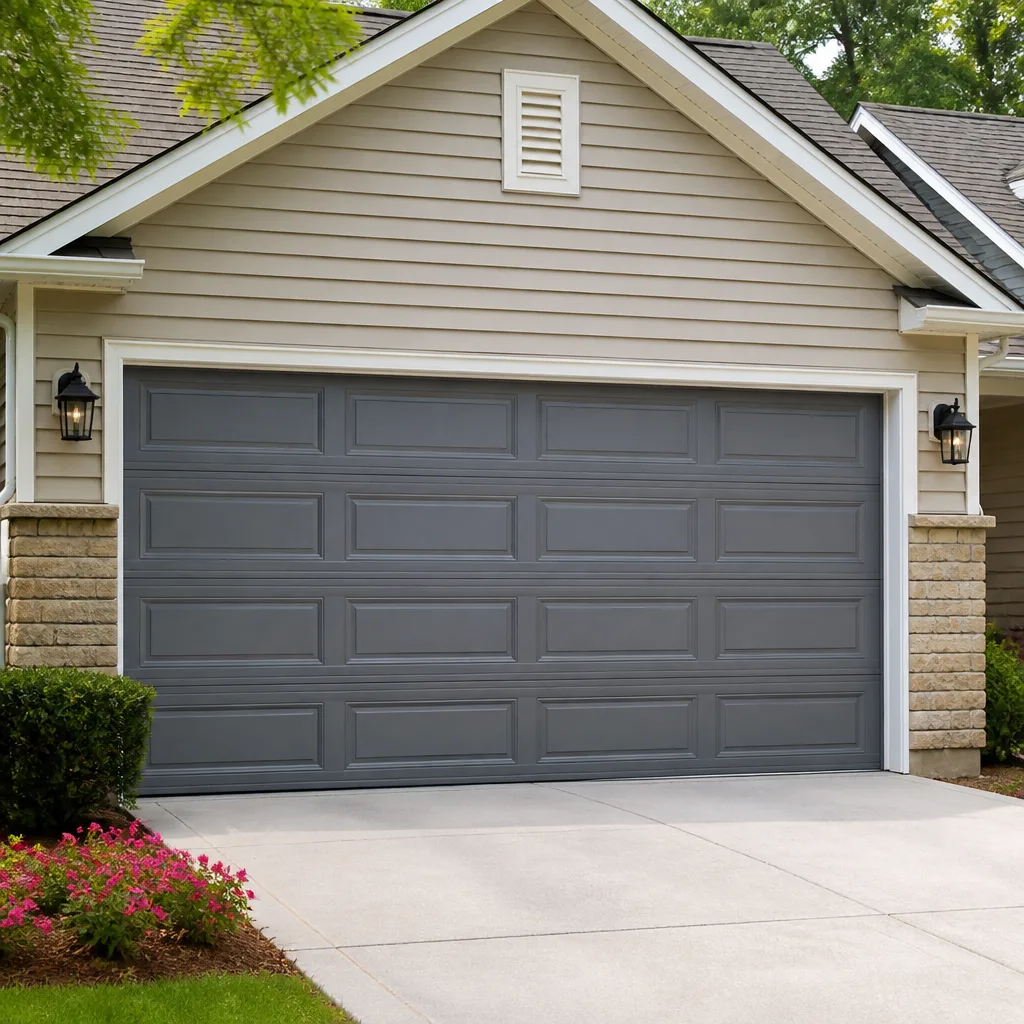 Raised-panel steel
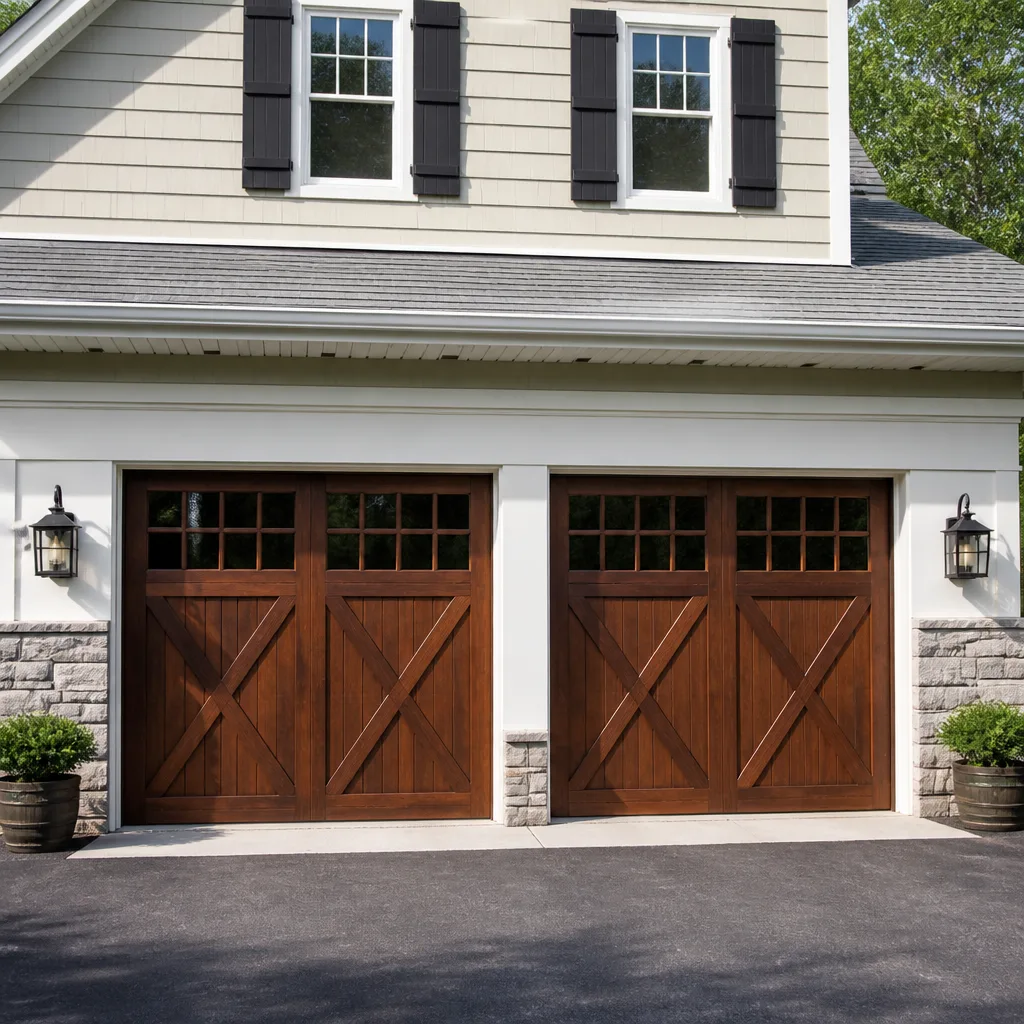 Carriage house
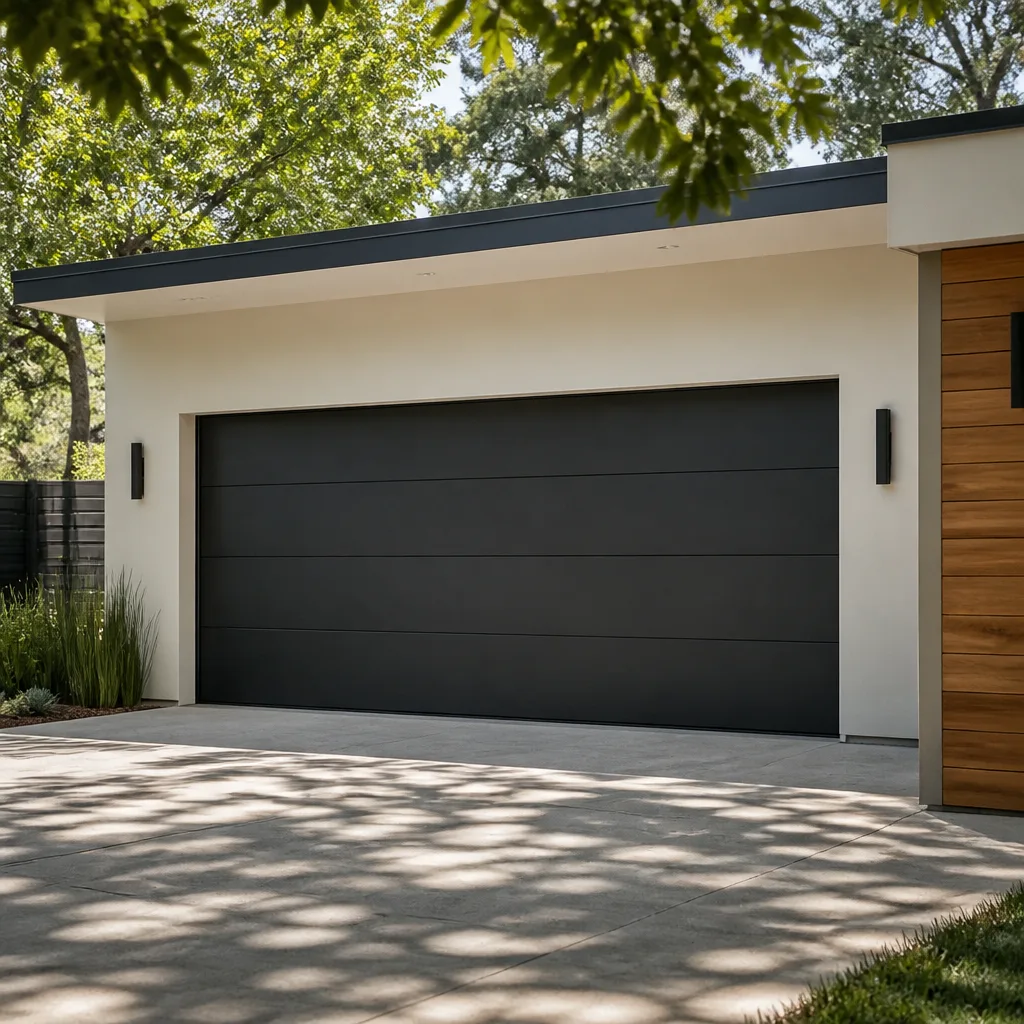 Modern flush
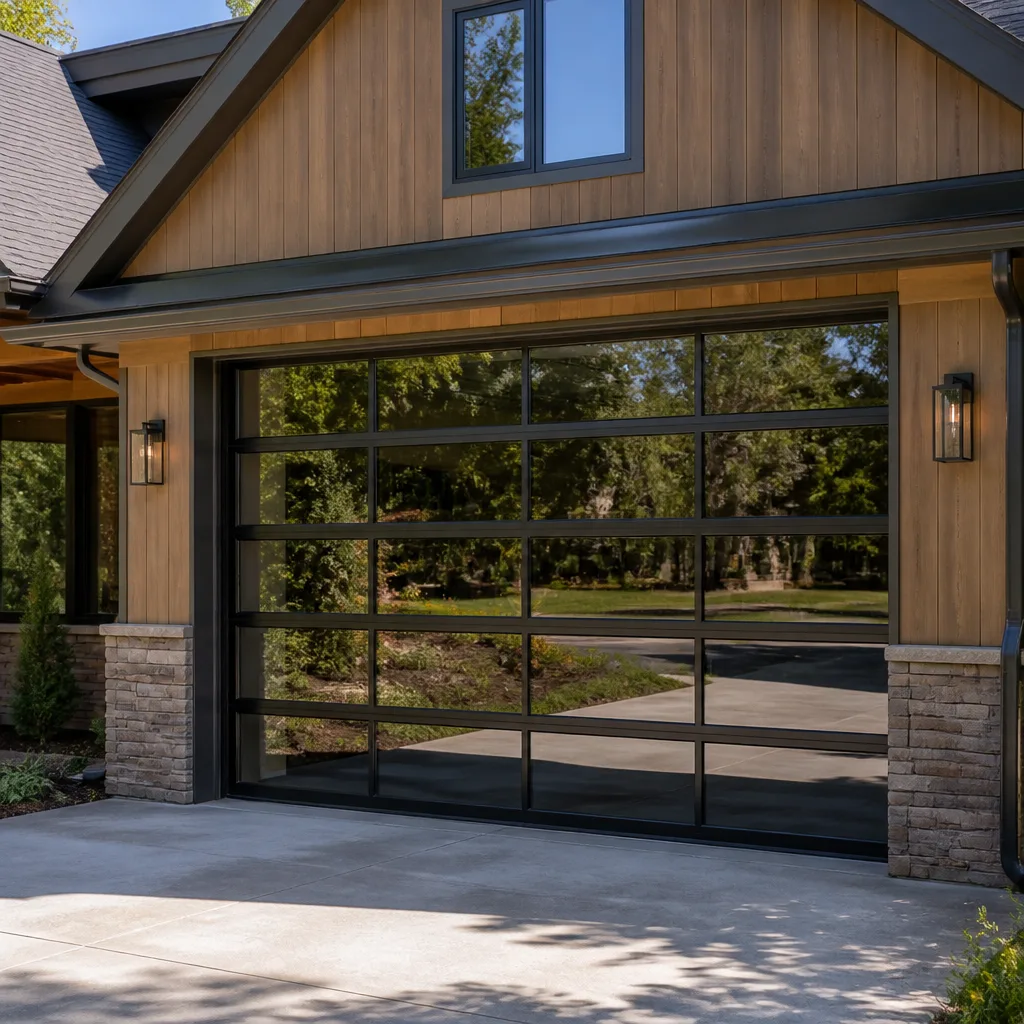 Full-view glass
 LiftMaster openers
 Chamberlain openers
Full 25-point door and opener safety check with every visit - springs, cables, rollers, tracks, and your LiftMaster or Chamberlain opener included
You get a price before we start. It does not change when the truck arrives.
Get your free estimateSeasonal Garage Door Care for Panorama City: Year-Round Homeowner’s Guide
Panorama City sits in a strange spot on the garage-door wear map. We don’t get snow, we don’t get ice, and our temperature swings are mild compared to the high desert. Yet the San Fernando Valley produces some of the most predictable seasonal garage door failures we see anywhere in Los Angeles County. The culprit isn’t what homeowners expect. It’s not the heat by itself, and it’s not the rain. It’s the combination of long dry stretches followed by sudden Santa Ana wind events and brief but intense El Niño rain bursts that does the damage. This guide – along with our The Complete Garage Door Repair Guide for Panorama City Homeowners – covers what actually breaks in Panorama City, when it breaks, and the specific checks that prevent a 7 a.m. call about a door that won’t open.
Styles & brands we work with
- Raised-panel steel
- Carriage house
- Modern flush
- Full-view glass
- LiftMaster openers
- Chamberlain openers
Quick Answer
Seasonal garage door care in Panorama City comes down to two distinct protocols: a pre-Santa Ana inspection (roughly late September through early October) covering track brackets, bottom seals, and torsion spring anchors, and a wet-season prep before the first serious rain (November) focused on drainage, weatherstripping, and hardware lubrication. For a deeper dive, see our The Complete Garage Door Repair Guide for Panorama City Homeowners. Homeowners who complete both, plus a roller inspection before summer heat arrives, typically extend door and opener life by 3 to 5 years compared to doors that get zero seasonal attention.
Table of Contents
- The Santa Ana Season: Panorama City’s Real Garage Door Stress Test
- Pre-Santa Ana Checklist: 6 Things to Check Before the Wind Arrives
- Summer Heat Protocol: What 100°F+ Does to Springs and Seals
- Winter Wet-Season Prep: Keeping Water Out During El Niño Rains
- Why Lubrication Timing Matters More in Panorama City Than in Colder Climates
- The Single Most-Skipped Task: Roller Inspection Before Summer
- Brand-Specific Notes: What We See on LiftMaster, Chamberlain, and Genie Openers
- A Seasonal Maintenance Schedule That Fits the Valley Calendar
- Common Mistakes to Avoid
- When to Call a Professional
- Frequently Asked Questions
- The Bottom Line
The Santa Ana Season: Panorama City’s Real Garage Door Stress Test
Between roughly October and March, Santa Ana winds funnel down through the passes and slam into the flat grid of Panorama City with gusts that regularly hit 40 to 60 mph. Most seasonal garage door guides skip this entirely because they’re written for places with actual winter. But for a garage door in the 91402 zip code, a Santa Ana event is the equivalent of a Minnesota cold snap: it’s the moment when marginal hardware gets exposed.
Here’s what actually happens during a sustained wind event. The wind hits the garage door face-on and pushes it inward. That force travels through the panels into the track system, then into the track brackets that bolt to the wall studs. A bracket with a loose lag screw might hold fine for years of calm weather. One Santa Ana night with gusts pushing the door is enough to pull it free. The same goes for torsion spring anchors. The spring system is under constant tension; when wind loads flex the door and the shaft, the anchor brackets take the additional stress. We’ve seen anchors rip out of the header in Panorama City garages during wind events that lasted less than 12 hours.
The bottom seal takes a different kind of beating. Wind-driven dust, sand, and small debris get forced under the door edge. Over one wind season, that abrasion can wear a channel into the rubber seal that lets water in when the rains finally come. By the time you notice the gap, the seal has been failing for months.
None of this is catastrophic in the dramatic sense. Doors rarely collapse during Santa Ana winds. But the wind season is when small failures begin, and the rain season is when they become visible. A homeowner who understands that sequence catches problems in October instead of discovering them in January.
Pre-Santa Ana Checklist: 6 Things to Check Before the Wind Arrives
The best time to complete this checklist in Panorama City is late September or the first two weeks of October. The wind season doesn’t follow a strict calendar, but starting early means you’re ready when the first serious event hits. All six checks take under 30 minutes combined, and none require special tools beyond a socket set and a step ladder.
- Test every track bracket by hand. Grab the vertical track at chest height and push it side to side with moderate force. You’re looking for any movement at the bracket connection points. A properly secured track doesn’t budge. If it shifts even a quarter inch, the lag screws have loosened and need tightening before wind season.
- Inspect the bottom seal for flat spots and cracks. Run your hand along the rubber seal on the bottom of the door, paying attention to the outside corners where wind-driven debris concentrates. Flat spots mean the seal is no longer making ground contact. Cracks mean the rubber has dried out from summer heat and will fail under wind pressure.
- Check the torsion spring anchor brackets. Look at the center bracket that holds the spring shaft above the door. Check for any gap between the bracket and the wall header, and look for cracked paint or stress marks around the bolt heads. These are early warning signs that the bracket is working loose.
- Verify the emergency release cord is clear. During a wind-driven power outage (which happens more often in Panorama City than people expect), you need the manual release to function. Pull it once and confirm the door disengages and re-engages smoothly.
- Tighten any visible hardware on the door hinges. Wind vibration loosens nuts and bolts over time. A door that rattles during a Santa Ana event is telling you something. Walk the door with a socket set and snug up anything that’s worked loose.
- Test the auto-reverse safety feature. With the door in motion, place a piece of scrap wood (or a full roll of paper towels) in the door’s path. The door should reverse within two seconds of contact. If it doesn’t, the force settings need adjustment before the season starts.
These six checks address the failures we see most often after wind events in Panorama City. The track bracket and spring anchor checks in particular are the ones homeowners skip, and they’re the ones that lead to the most expensive repairs when a door comes off its tracks mid-storm. If you’re not comfortable checking spring hardware yourself, a garage door repair in Panorama City visit is the alternative, and a good technician can complete the full checklist in one call.
Summer Heat Protocol: What 100°F+ Does to Springs and Seals
Panorama City garages don’t just get hot. They get oven hot. In July and August, an uninsulated garage that faces west can easily hit 110°F to 120°F inside, even when the outside air is in the 90s. That sustained heat does two specific things to garage door systems: it accelerates rubber breakdown and it changes how extension springs behave under load.
Rubber components, especially the bottom seal and the weatherstripping around the door frame, lose their plasticizers in high heat. The rubber stiffens, then cracks, then splits. You’ll see this first at the corners and along the bottom edge where the seal makes contact with the concrete slab. Once a crack opens, it widens with every door cycle. By September, a seal that looked fine in June may have a visible gap that lets in dust, heat, and eventually rain.
Extension springs, which are still installed in many older Panorama City homes, respond to heat in a way that surprises people. The metal expands slightly in high temperatures, which actually reduces spring tension by a small but measurable amount. A door that’s perfectly balanced at 70°F may sag noticeably on a 105°F afternoon. This isn’t a spring failure. It’s normal thermal behavior. But it means that spring tension set in the summer will feel different when temperatures drop in the winter, and a door balanced in winter may run hot in the summer. For homes with extension spring systems, we recommend evaluating balance mid-winter and mid-summer, not just once a year.
What should you actually do during the hottest months? Monitor the rubber first. Walk the bottom seal in late June and again in late August. Look for hairline cracks forming where the seal flexes. If you catch them early, you can often get another season out of the seal by applying a rubber conditioner. If you see daylight under the closed door, it’s time for replacement before the wet season arrives. Also, listen to the door when it opens. Heat makes metal joints expand; hardware that was quiet in spring may start to squeak in August. That squeak is friction, and friction wears parts faster.
Winter Wet-Season Prep: Keeping Water Out During El Niño Rains
When the El Niño pattern sets up, Panorama City can receive more rain in three months than it gets in the previous nine. The rain itself isn’t the problem for garage doors. The problem is standing water at the slab edge and wind-driven rain that finds every gap in the weatherstripping.
The single most important drainage point is the concrete apron just outside the garage door. In many Panorama City homes, the driveway slopes toward the garage rather than away from it. Over time, concrete settles, making the slope worse. When heavy rain falls faster than the ground can absorb it, water pools right at the door line. From there, it works its way under the bottom seal, especially if the seal is already compromised from summer heat and Santa Ana abrasion.
Your wet-season prep should cover these specific points:
- Check the bottom seal integrity again in early November. Even if it looked fine in September, the Santa Ana winds in October may have done damage. Look specifically for gaps where the seal meets the side jambs, because those channels are where wind-driven rain gets pushed into the garage.
- Inspect the weatherstripping around all three sides of the door frame. On wood-frame garages, the stripping is nailed or stapled in place. If it’s pulling away at the corners, it’s no longer doing its job. The fix is simple: remove and replace the stripping or re-secure it with new fasteners.
- Verify the exterior threshold is still making contact with the door. Look from inside the garage with the door closed and the lights off. If you see a line of daylight anywhere along the bottom of the door, water can get through that same gap. For uneven concrete, a threshold seal can be installed under the existing door seal to close the gap.
- Clean out the garage door track drains. Most tracks have small weep holes at the bottom that allow water to drain out. If those holes are clogged with dirt or spider debris (spiders love garage door tracks in the Valley), water can pool inside the track and accelerate rust on the rollers and hinges.
- Test the garage’s drainage flow. Pour a bucket of water on the apron just outside the door and watch where it goes. If it flows toward the door rather than away, you need to address the slope before heavy rain arrives. A sandbag or temporary dam is a stopgap; a proper fix involves re-sloping the concrete or installing a channel drain.
These steps matter because water that gets into the garage doesn’t just damage the contents. It accelerates rust on the track system, the hinges, and the spring hardware. In Panorama City, where the dry season is long enough that many homeowners forget about water entirely, rust damage from the wet season is the second biggest predictor of early hardware failure, behind only neglected lubrication.
Why Lubrication Timing Matters More in Panorama City Than in Colder Climates
Garage door lubrication advice from national sites usually lands on a simple rule: lubricate twice a year, once in spring and once in fall. That timing assumes a climate where winter brings dramatic contraction and summer brings expansion, and the lubricant needs to be refreshed as the seasons shift. Panorama City doesn’t work that way. Our temperature swings are driven by diurnal variation (day-night) rather than seasonal variation, and the annual temperature range might be 45°F to 105°F. So the standard advice doesn’t quite fit.
What actually matters for lubrication timing here is the Santa Ana season. The fine dust and grit that blow into the garage during wind events settle on the track, the rollers, and the spring coils. That dust mixes with whatever lubricant is already on the metal and turns into a grinding paste. A door lubricated in September can feel gritty by November, not because the lubricant wore out, but because it’s now carrying wind-blown abrasive.
Our recommendation for Panorama City is a three-point lubrication schedule tied to the local weather pattern, not the calendar:
- Early October: Lubricate before the wind season starts. Use a garage-door-specific lubricant (not WD-40, which is a solvent and actually strips lubricant) on the rollers, hinges, springs, and the top of the track where the roller rides. This gives the metal a protective film before the dust arrives.
- January: Clean and re-lubricate after the heaviest wind period. This removes the dust-grit mixture that accumulates during October through December and applies a fresh film. You’re essentially flushing the abrasive out of the system.
- Late May: Lubricate before summer heat arrives. High temperatures thin out lubricants, and a fresh application in late spring holds up better through July and August than a worn layer.
For most Panorama City homeowners, the January step is the one they’ve never heard of. But if you lubricate in October and then let the wind season run through March without cleaning, you’re asking the door components to run in grit for five months. It’s the single scheduling adjustment that makes the biggest difference in how long rollers and hinges last.
The Single Most-Skipped Task: Roller Inspection Before Summer
If there’s one annual task that extends garage door life by 3 to 5 years and gets skipped by most Panorama City homeowners, it’s the pre-summer roller inspection. We can’t overstate how consistently this gets overlooked, and how consistently it shows up in the failures we repair.
The reason is simple: rollers are hidden inside the track, and they don’t make noise until they’re already failing. A steel roller with a worn bearing will still carry the door along the track. It might make a faint clicking or rattling sound that’s easy to write off as “just how the door sounds.” Meanwhile, the roller is grinding itself down and, more importantly, putting uneven pressure on the track. That uneven wear eventually causes the track to warp or the hinge to fail, and those are much more expensive repairs than a roller replacement.
Here’s the five-minute roller inspection, best done in late April or early May before summer heat accelerates the problem:
- Close the door and stand inside the garage. Look at each roller where it meets the track. You’re checking for black residue around the roller, which indicates the bearing grease is breaking down, and for visible flat spots on the wheel itself.
- Spin each roller by hand. With the door closed, most of the spring tension is released. You can usually reach the lower rollers and give them a spin. A healthy roller spins freely with very little resistance. A roller that feels rough, gritty, or stiff has a failing bearing.
- Listen to the door during normal operation. Open and close the door once and pay attention to sounds. A scraping or grinding noise that changes pitch as the door moves is usually a roller. A rhythmic thumping often means a flat-spotted roller. Neither sound is normal.
- Check the top rollers visually. These are under the most tension when the door is open, and they wear fastest. With the door fully open, the top rollers sit at the bottom of the horizontal track, which makes them easier to see. Look for wobble or side-to-side play.
If you find a bad roller and you live in a home built in the 1980s or earlier in Panorama City, there’s a good chance the original rollers are steel and they’ve been in place for decades. Modern nylon rollers with sealed bearings are quieter and put less wear on the track. A full roller replacement is a straightforward job that most technicians can complete in under an hour, and it’s one of the highest-value maintenance items you can do.
Brand-Specific Notes: What We See on LiftMaster, Chamberlain, and Genie Openers
Most Panorama City homes have one of three opener brands: LiftMaster, Chamberlain, or Genie. The seasonal issues we see with these openers aren’t the same, and a homeowner who knows the difference can head off problems before they strand them outside the garage.
LiftMaster: The dominant brand in newer homes, and the force setting is where we see the most seasonal drift. As the door hardware changes with temperature (metal expanding in summer, seals stiffening in winter), the opener’s internal force sensor reacts. A LiftMaster that ran smoothly in February may suddenly reverse mid-close in July because the door is binding slightly at the bottom. The fix is usually a force adjustment, but the underlying cause is often a seal or roller issue. Adjusting the opener to push through the binding is the wrong fix; it masks the problem and increases wear on the gear assembly.
Chamberlain: The most common opener in homes built during the 1990s and 2000s Valley construction boom. Chamberlain’s chain-drive models are reliable, but the chain itself stretches over time, and the stretching accelerates in heat. A slack chain makes a slapping sound against the rail and causes the opener to work harder. Seasonal temperature changes make the slack more pronounced; in July and August, a chain that measured fine in January can show noticeably more play. Tightening the chain is a maintenance task, not a repair, but it requires knowing the correct tension, and an over-tightened chain wears the sprocket prematurely.
Genie: Common in older Panorama City homes, and the screw-drive models (still in service in many garages from the 1980s and 1990s) are particularly sensitive to lubrication neglect. The screw drive relies on a layer of grease between the screw and the carriage. In Panorama City heat, that grease thins and runs off the screw, especially if the opener hasn’t been serviced in years. A dry screw-drive opener sounds like a coffee grinder and will eventually strip the carriage. Seasonal re-greasing with the correct Genie-specified lubricant is the single most important maintenance item for these units.
When an opener issue shows up, our process starts with a garage door opener repair in Panorama City diagnostic that identifies the brand, the model, and the failure pattern before any parts are ordered. The approach for a chain-stretch issue on a Chamberlain isn’t the same as the approach for a dried-out screw drive on a Genie, and guessing at that difference is where a lot of repair callbacks come from.
For homeowners thinking about upgrading rather than repairing, we’ve done a lot of garage door installation work in Panorama City where the old opener gets replaced as part of the project. The decision to repair versus replace should factor in the age of the opener, the condition of the door it’s attached to, and whether the homeowner wants features like smart-home integration that older openers can’t support.
A Seasonal Maintenance Schedule That Fits the Valley Calendar
Here’s the complete schedule, laid out month by month, for a Panorama City garage door. Copy it, save it, stick it on the water heater. It’s designed around the two actual seasons: the dry heat period from roughly March through October, and the wind-and-rain period from roughly October through March.
October (pre-Santa Ana):
- Complete the six-point pre-wind checklist from above
- Lubricate all rollers, hinges, springs, and track tops
- Check the emergency release function
- Test the auto-reverse safety feature
November (pre-rain):
- Inspect the bottom seal for wind damage from October events
- Check all weatherstripping around the door frame
- Clear track weep holes and clean out any debris
- Test drainage flow at the apron
January (mid-wind-season reset):
- Clean accumulated dust and grit from tracks, hinges, and springs
- Re-lubricate after cleaning
- Check track brackets for any loosening from wind events
- Inspect the bottom seal again for abrasion damage
Late April to early May (pre-summer):
- Roller inspection: check every roller for wear, flat spots, or bearing failure
- Lubricate before summer heat thins the existing lubricant
- Check extension spring balance (if applicable) and opener force settings
- Inspect rubber seals and weatherstripping for heat-damage signs that may have appeared during the first warm weeks
July to August (heat monitoring):
- Watch for slow door operation or mid-close reversals
- Listen for chain slap on Chamberlain units or grinding on Genie screw drives
- Check seals again for heat cracking; recondition if early cracking appears
- Evaluate spring balance on a hot afternoon for extension spring systems
This is a manageable schedule that doesn’t require a lot of time or specialized knowledge. The total annual time commitment for a homeowner who follows all of it is maybe four hours spread across the year. The alternative, ignoring it and waiting for a failure, usually means an emergency call at the worst possible time. For more guides & resources on keeping your door running, browse our blog.
Common Mistakes to Avoid
- Using WD-40 on the door components. WD-40 is a penetrating solvent, not a lubricant. It strips away existing grease and oil, leaving the metal drier than before. A garage door needs a dedicated lubricant that stays in place and holds up against the grit that blows in during Santa Ana season.
- Ignoring a door that’s getting louder. A garage door that suddenly starts making noise is communicating a problem. The longer the noise is ignored, the more the underlying issue spreads. A noisy roller doesn’t fix itself; it wears the track, then the track wears the next roller, and a $40 part replacement becomes a $400 track replacement.
- Adjusting the opener force to compensate for a binding door. When the door starts reversing mid-close, the instinct is to crank up the force setting so it powers through. That’s the wrong fix. The binding is usually in the seals, the rollers, or the track alignment. Increasing force masks the problem and puts additional strain on the opener’s gear and motor.
- Skipping the drainage check until there’s water in the garage. By the time water is pooling inside the garage, the problem has been building for weeks. The time to check drainage is in November, before the first big rain, when the fix is a matter of adjusting a slope or replacing a seal instead of dealing with water damage and rusted hardware.
- Thinking that because the door still opens, everything is fine. Most garage doors will keep operating long past the point where components are failing. A door with a cracked spring, a worn center bearing, and dry rollers will still open and close, usually right up until the day it doesn’t. Regular inspection is about catching the failure before it becomes a stranded-car situation, not after.
When to Call a Professional
Some garage door work belongs in the DIY category, and some doesn’t. Tightening hardware, cleaning tracks, and checking seals are all reasonable homeowner tasks. But anything involving spring tension or opener logic deserves a professional eye. If you see a gap in the torsion spring coils, or the spring makes a popping sound when the door operates, stop using the door and call someone. The same applies for opener force adjustments, gear replacements, and any repair where the door needs to be disassembled under tension. The cost of a professional visit is rarely more than the cost of correcting a mistake made on a door that’s under several hundred pounds of stored spring energy. Mesa Garage Door Service offers free estimates in Panorama City, which means a diagnosis call costs you nothing but time. Call (833) 620-3545 to schedule one.
Frequently Asked Questions
A garage door in Panorama City should receive a basic seasonal check at least twice a year: once in early October before Santa Ana winds and once in late April before summer heat. Homes with older doors, extension spring systems, or doors that get heavy daily use (multiple cars, frequent cycles) benefit from a third check in January after the peak wind period. For a routine check, call (833) 620-3545 and we will set up a visit at no cost.
The clearest signs are visible daylight under the closed door, cracked or flattened rubber on the bottom seal, weatherstripping that’s pulling away from the frame, and water staining on the interior garage wall near the door. If you see any of these in November, the door isn’t ready for a Panorama City rain event, and you should address the problem before the first heavy storm rather than after.
Yes. Sustained Santa Ana winds push against the door face and transfer that force to the track brackets and torsion spring anchors. Loose hardware that held fine in calm weather can pull free during a wind event, and wind-blown grit accelerates wear on seals, rollers, and lubricated surfaces. The damage often isn’t visible immediately, but it sets up failures that show up later in the season.
Most routine maintenance visits in Panorama City run between $85 and $180 depending on what’s included and the condition of the door. A full tune-up with lubrication, hardware tightening, balance checks, and safety testing usually lands in the $120 to $160 range. At Mesa Garage Door Service, we quote any maintenance or repair price before work starts, so you’ll know the number before anything gets touched. Call (833) 620-3545 for a specific quote on your door.
Yes. Use a garage-door-specific lubricant (lithium-based spray or silicone spray) on the rollers, hinges, springs, and the top of the track where the roller rides. Do not use WD-40 or a general-purpose penetrating oil, because those products strip lubricant and leave the metal unprotected. Apply once in early October, again in January after peak wind, and again in late spring. If you’re not sure you’re doing it right, ask during a maintenance visit and we’ll show you.
The decision depends on the opener’s age, the failure point, and what you want from the system. A Chamberlain or Genie from the 1990s that needs a gear replacement might be worth repairing if the rest of the system is in good shape, but a failing motor on a 25-year-old unit usually points to replacement. On the installation side, a new opener costs less than most people expect and brings safety features, smartphone control, and quieter operation. We’ll give you an honest assessment either way. Call (833) 620-3545 for a free in-person evaluation of your specific setup.
The Bottom Line
Panorama City’s garage door problems follow a predictable seasonal pattern: Santa Ana winds stress the hardware and damage the seals, summer heat bakes the rubber and thins the lubricants, and winter rains exploit every gap that the first two seasons created. A homeowner who checks the six pre-wind points in October, preps the drainage and seals in November, re-lubricates in January, and inspects the rollers before summer will catch most failures before they become emergencies. That’s roughly four hours of work per year, spread across the seasons, and it’s the difference between a 12-year door and a 15-to-17-year door. For everything beyond routine maintenance, Mesa Garage Door Service handles repair, opener repair, and new installation across Panorama City with brands like LiftMaster, Chamberlain, and Genie. Call (833) 620-3545 for a free estimate and a straight answer about what your door actually needs.
Written by the team at Mesa Garage Door Service, serving Panorama City since 2012.
See the difference
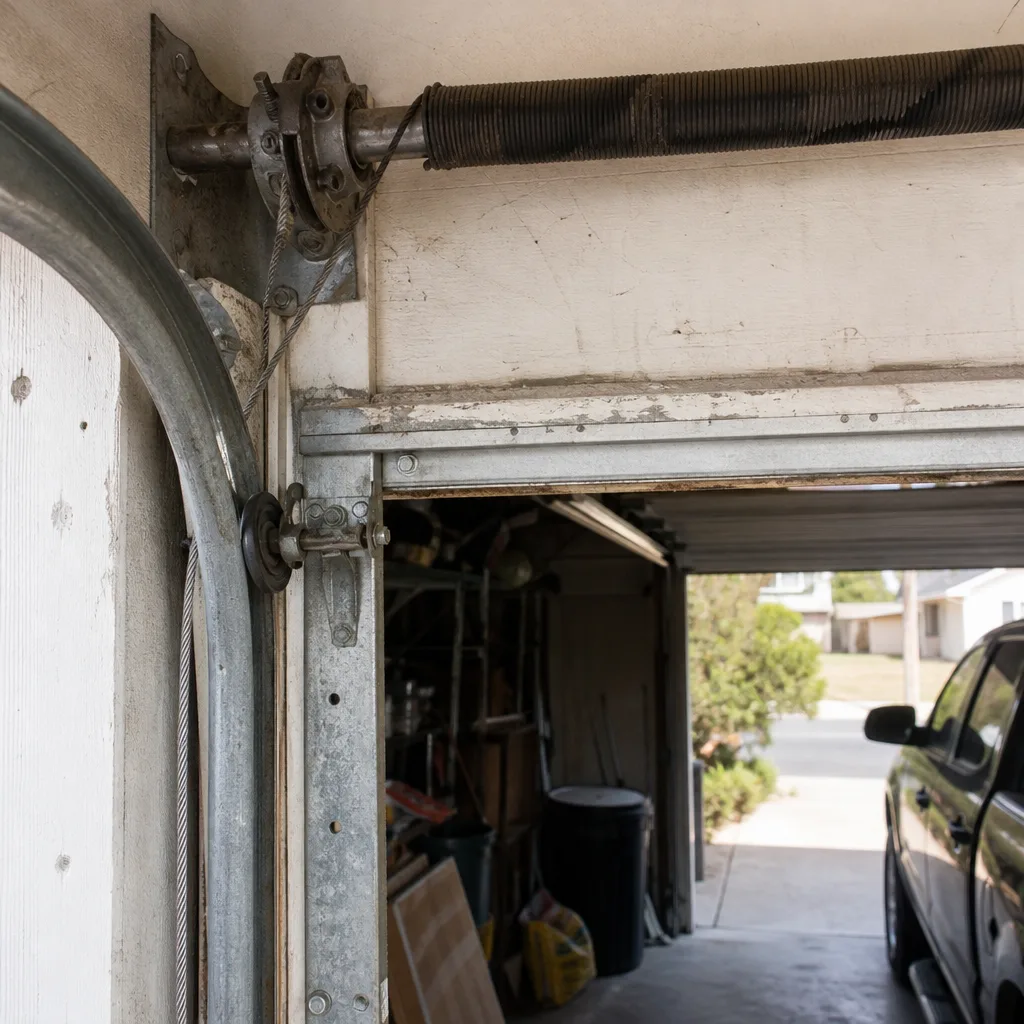 Before
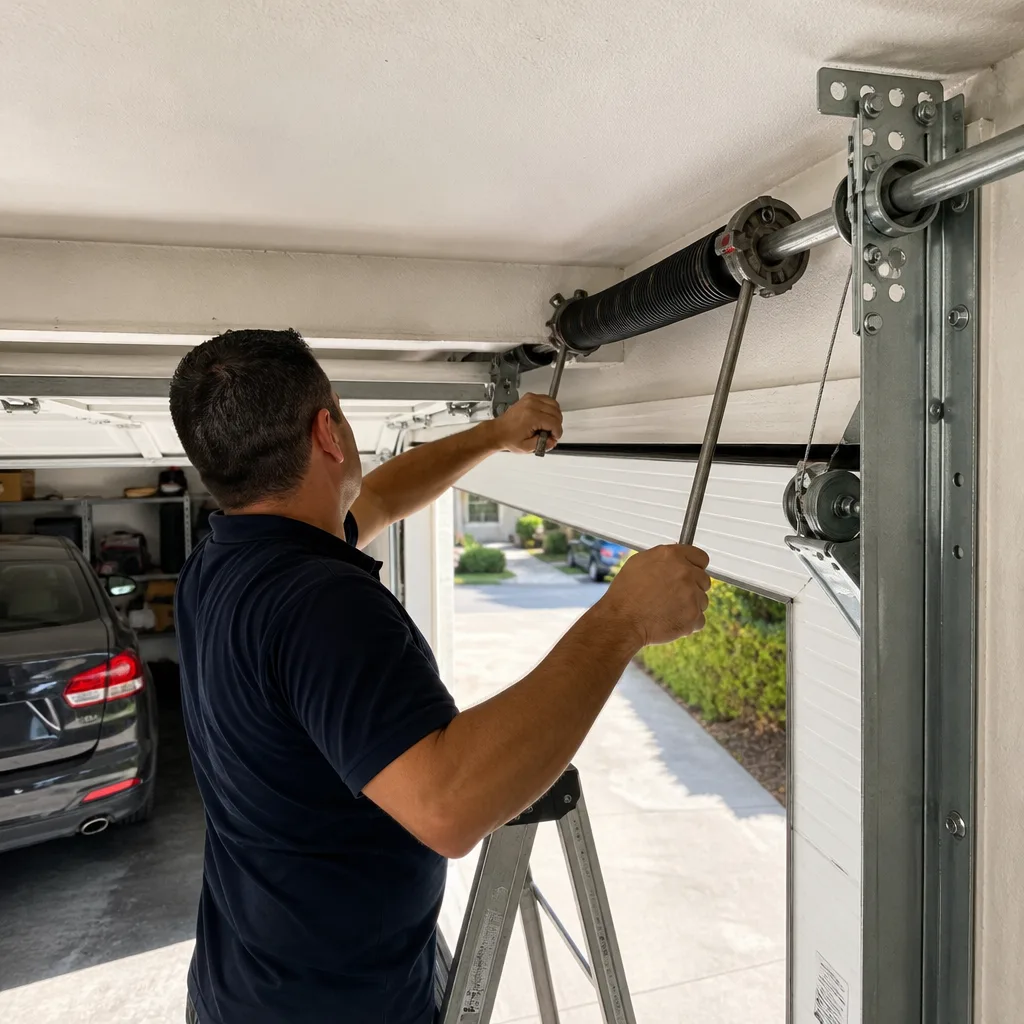 After
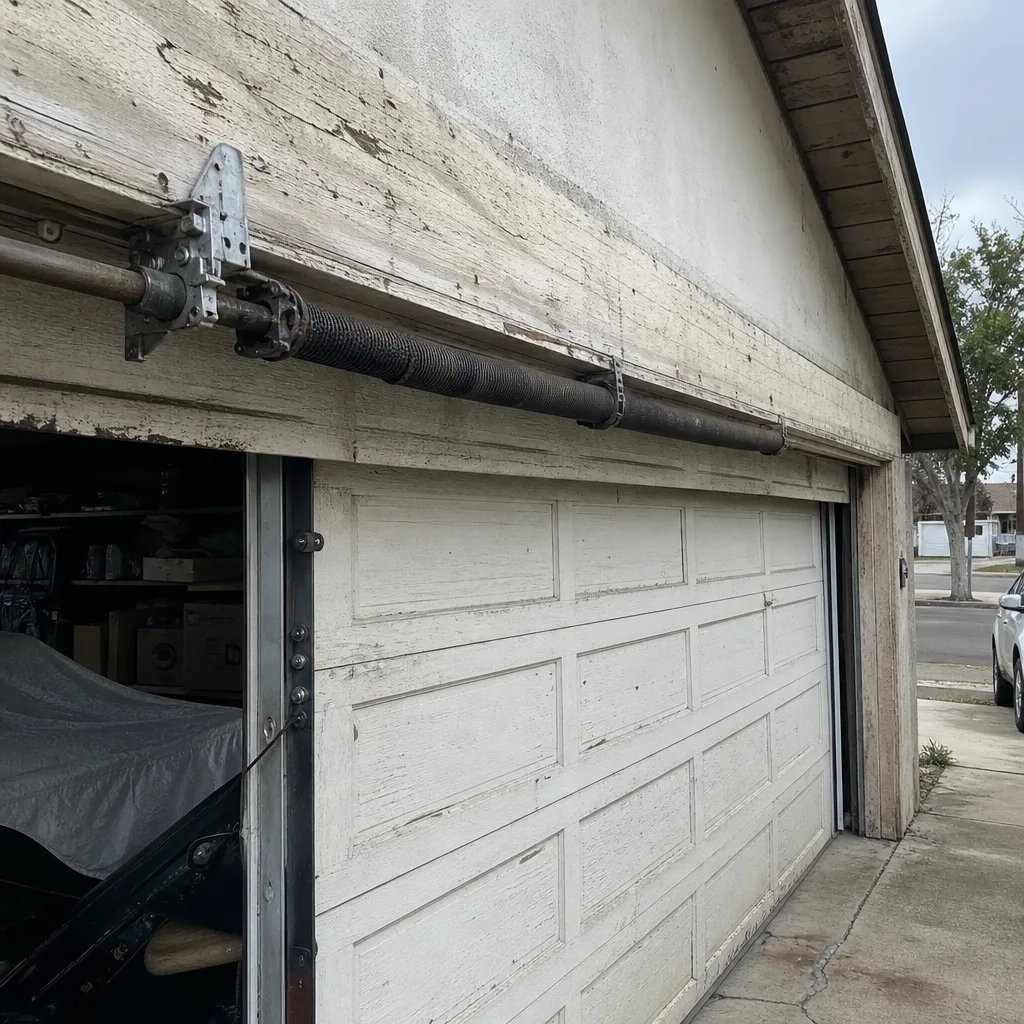 Before
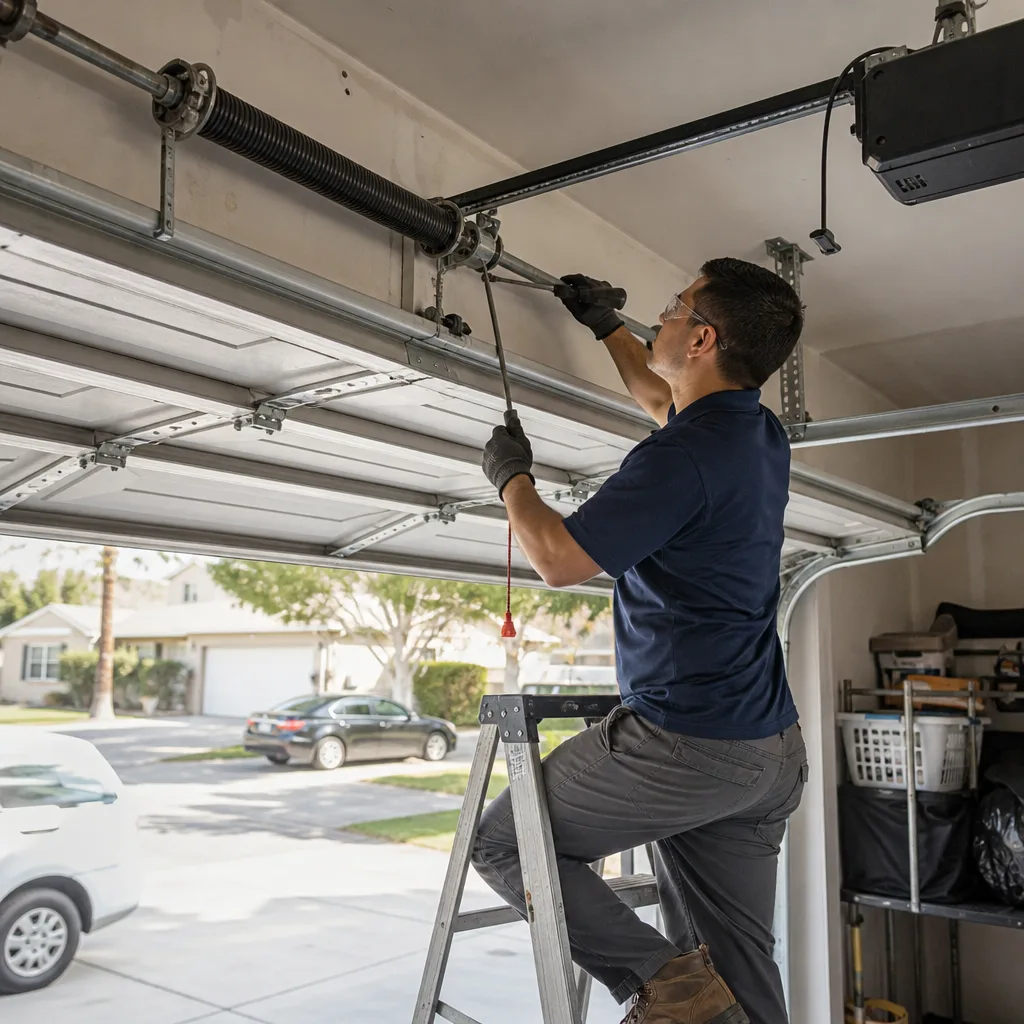 After
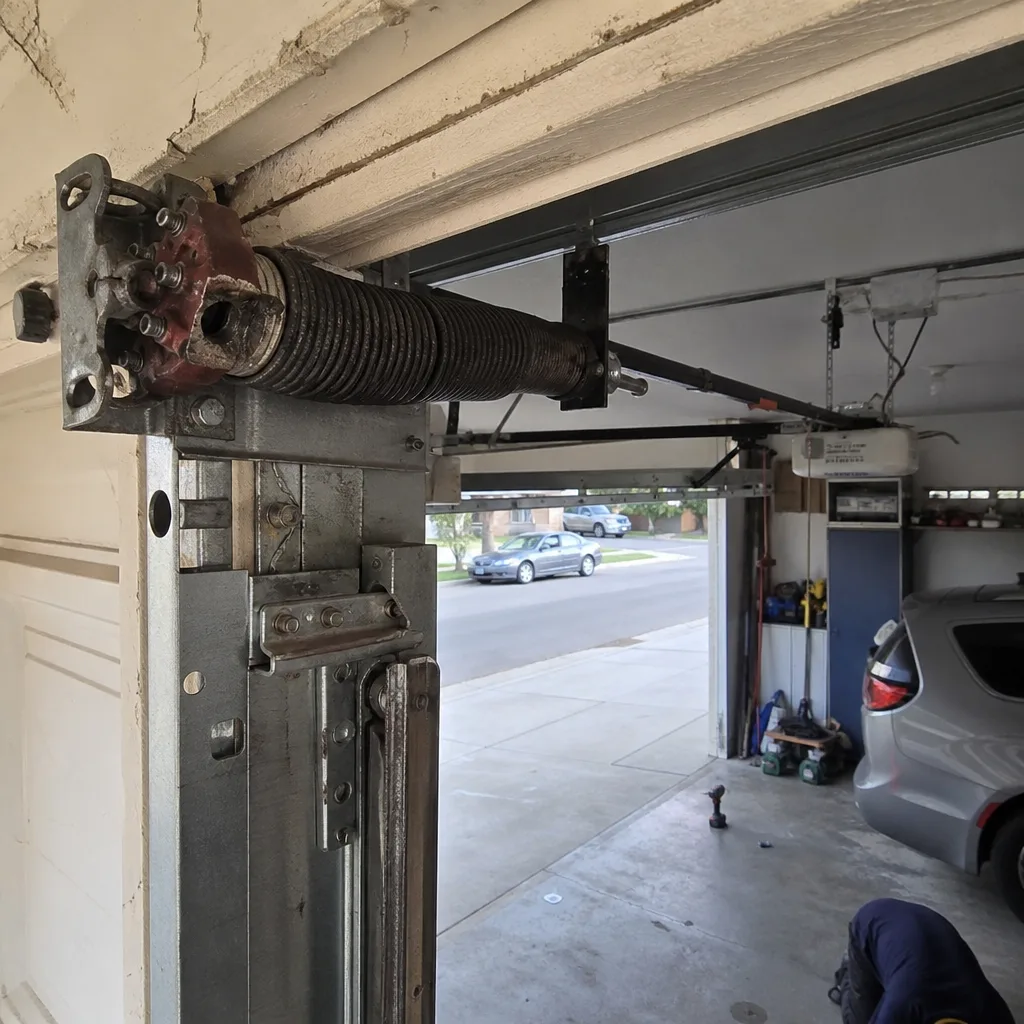 Before
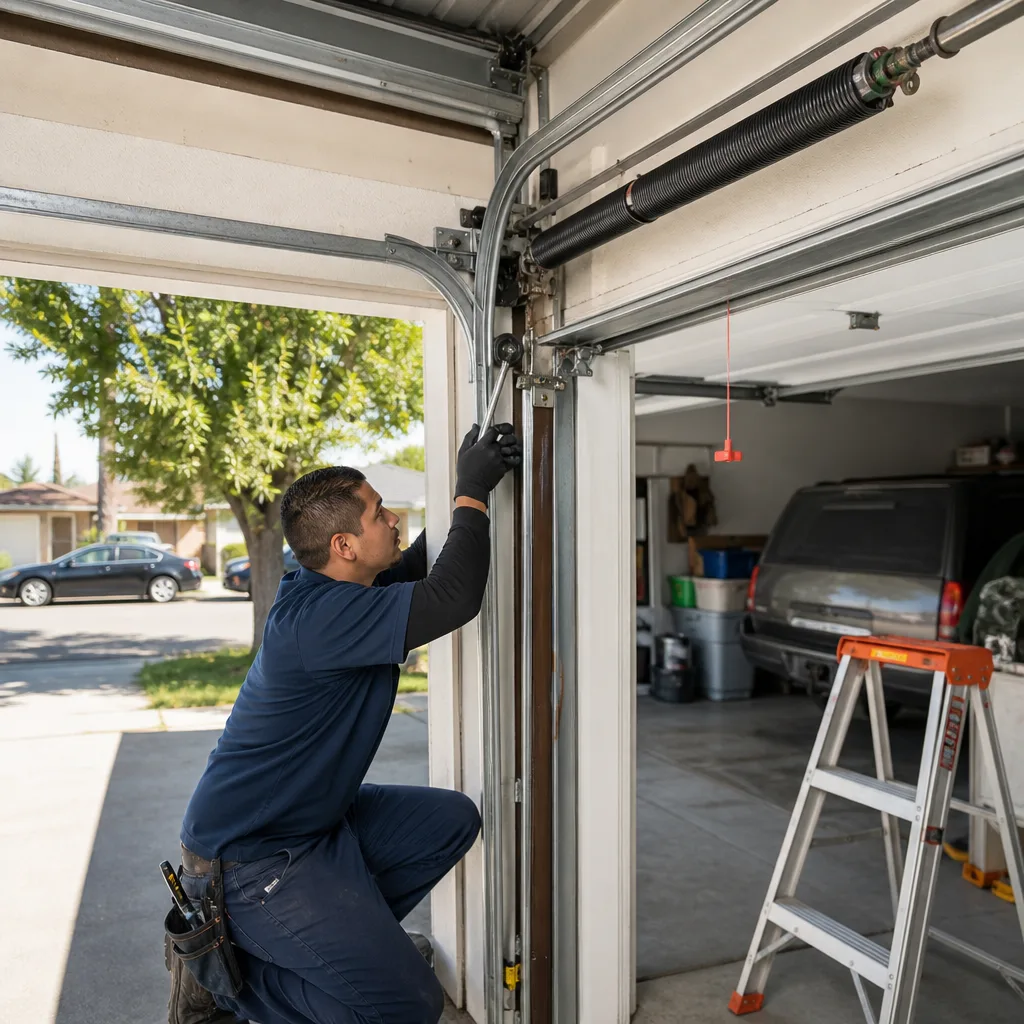 After