
Last updated November 2, 2026
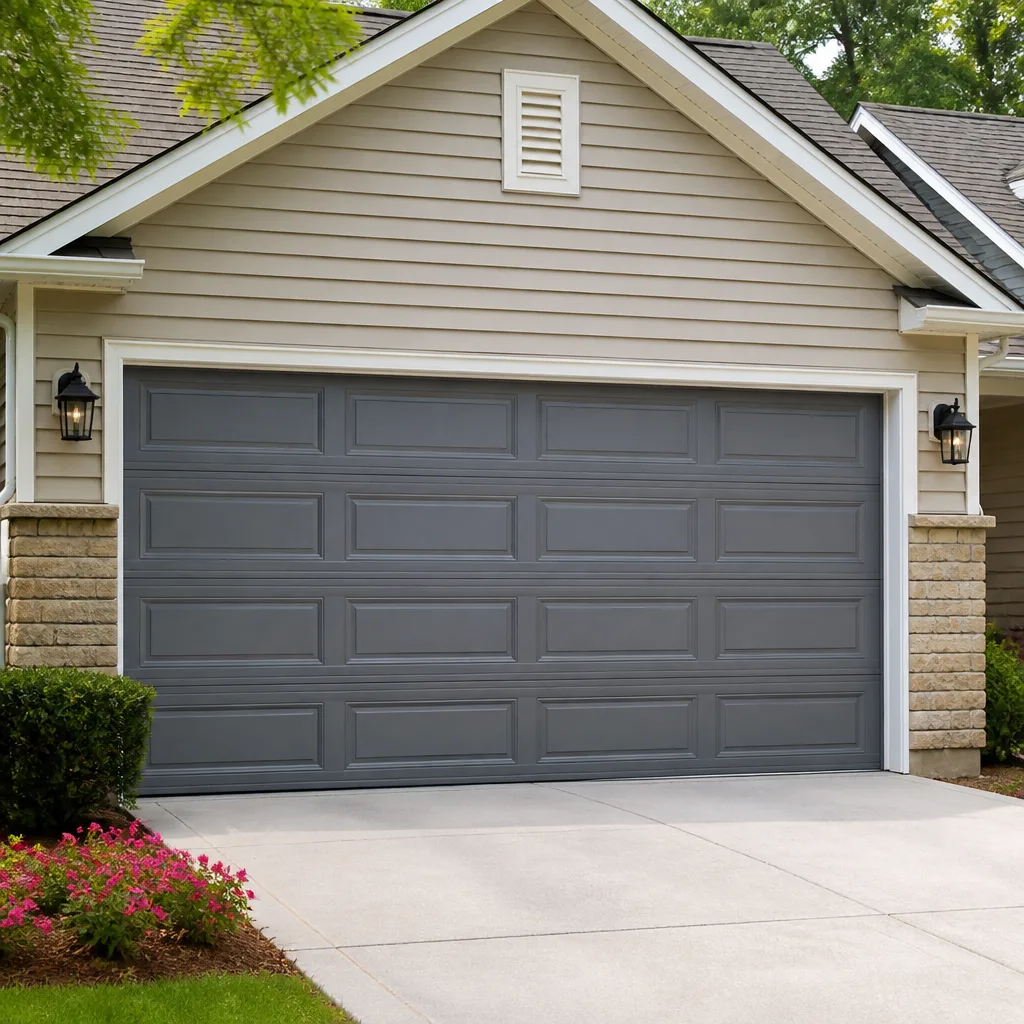 Raised-panel steel
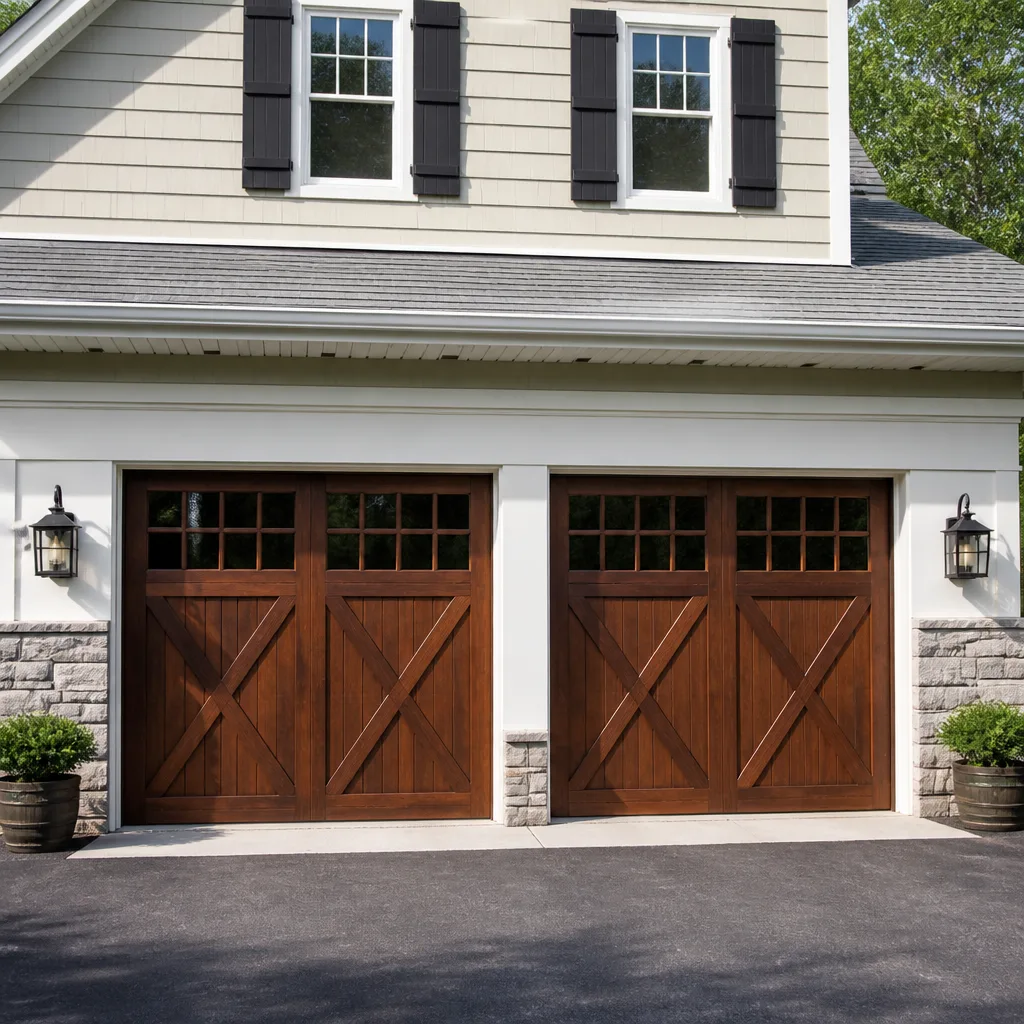 Carriage house
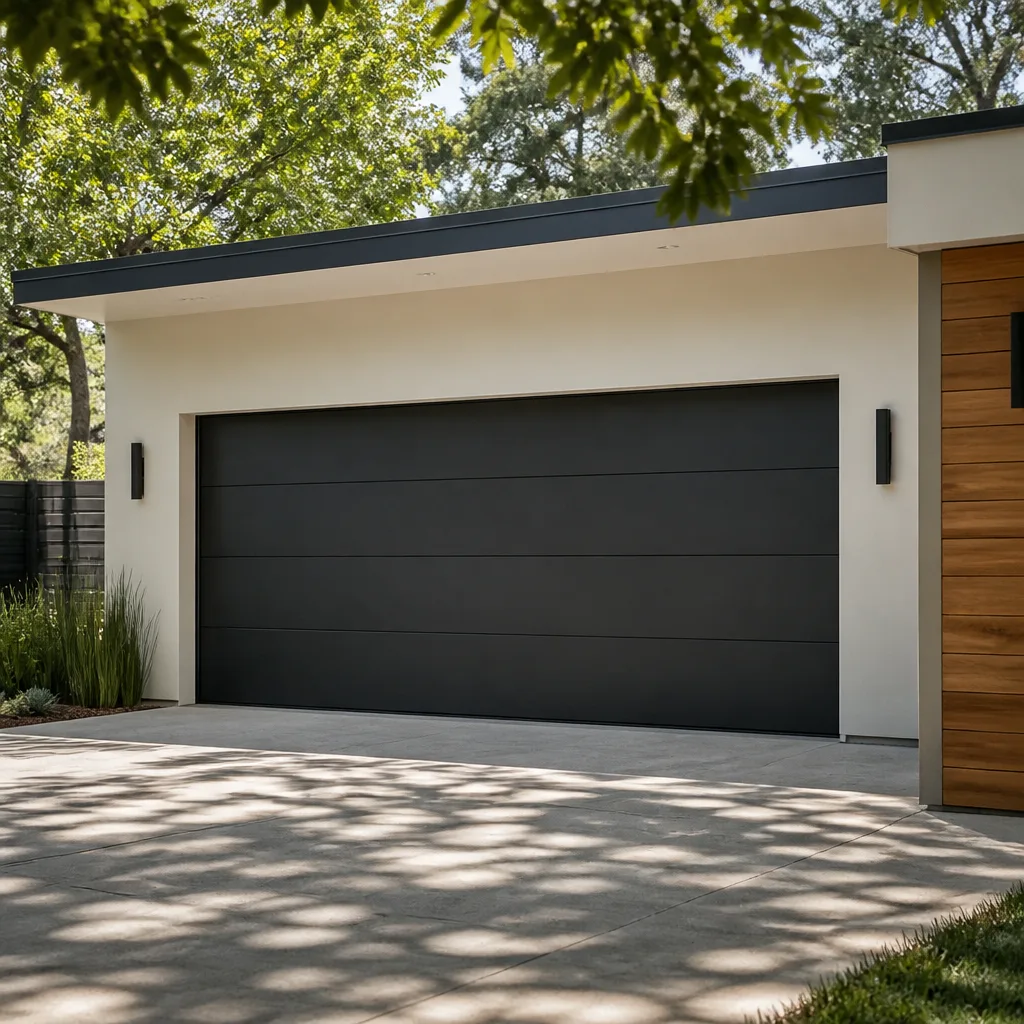 Modern flush
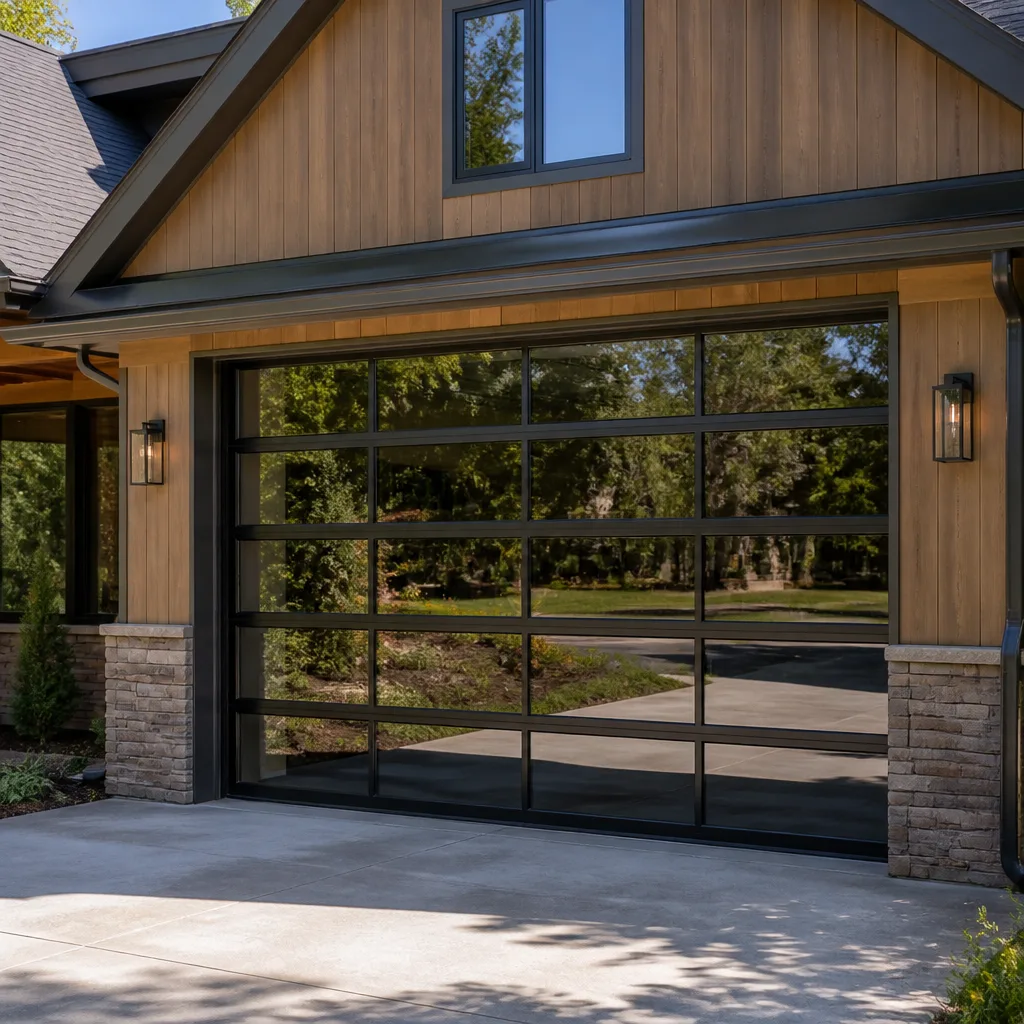 Full-view glass
 LiftMaster openers
 Chamberlain openers
Full 25-point door and opener safety check with every visit - springs, cables, rollers, tracks, and your LiftMaster or Chamberlain opener included
You get a price before we start. It does not change when the truck arrives.
Get your free estimateDIY vs Professional Garage Door: The Panorama City Homeowner’s Decision Guide
Here’s a number that should make every Panorama City homeowner pause: torsion springs under full tension store enough energy to throw a 200-pound object across an average two-car garage. That’s not hyperbole, it’s physics. Every year, emergency rooms treat thousands of garage-door-related injuries, and the overwhelming majority trace back to one task: spring replacement. But here’s what most guides won’t tell you: plenty of garage door work is genuinely safe for a careful DIYer. Painting a panel, swapping weatherstripping, realigning a photo-eye sensor, programming a Chamberlain or Genie remote – these are legitimate weekend projects that require no special training. This guide will walk you through the precise line between “go ahead and do it yourself” and “call someone who does this every day,” with Panorama City’s housing stock, climate, and local market in mind. For more guides & resources, see our blog.
Styles & brands we work with
- Raised-panel steel
- Carriage house
- Modern flush
- Full-view glass
- LiftMaster openers
- Chamberlain openers
Quick Answer
DIY makes sense for cosmetic fixes and simple programming tasks: weatherstripping replacement, panel repainting, sensor realignment, and remote setup are all safe, low-risk jobs. Professional service is non-negotiable for torsion spring replacement, cable repair, and track work – these components hold thousands of pounds of stored energy, and failures are fast, unpredictable, and severe. For everything else, the answer depends on your door’s age, your tool inventory, and whether a mistake would leave your Panorama City garage unsecured overnight.
Table of Contents
- Understanding the Real Risk: Where Garage Door Injuries Actually Come From
- Tasks You Can Safely DIY in Panorama City
- Tasks That Require a Professional – No Exceptions
- Opener Repair and Installation: The Gray Zone Explained
- Cost-Benefit Math: When a DIY Mistake Costs More Than Calling First
- Panorama City Garage Conversions: How They Change the DIY Rulebook
- Common Mistakes to Avoid
- When to Call a Professional
- Frequently Asked Questions
- The Bottom Line
Understanding the Real Risk: Where Garage Door Injuries Actually Come From
Most garage door injuries don’t happen because someone lacks mechanical skill. They happen because the component they’re touching carries far more stored energy than the person realizes. That gap between perception and reality is the whole story.
A garage door weighs between 130 and 400 pounds depending on material and size. In Panorama City, homes built in the 1950s and 1960s often have older single-panel or steel sectional doors that skew toward the heavier end, especially if they’ve never been replaced. That weight is counterbalanced by one of two systems: extension springs (the ones that stretch along horizontal tracks, more common on older doors) or torsion springs (the ones wound tightly on a metal shaft above the door opening). Both store massive kinetic energy. A torsion spring on a standard residential door can be wound with roughly 7 to 8 full turns, each turn adding torsional force. When that spring snaps or is released improperly, it can unwind in milliseconds.
Here’s what matters for the DIY decision: the dangerous tasks are dangerous not because they’re complicated, but because they’re unforgiving. A mistake painting a door panel costs you a repaint. A mistake removing a torsion spring can cost you a finger, an eye, or worse. In our experience serving Panorama City, we’ve been called to homes after attempted spring repairs left the door wedged half-open, the cables tangled around the shaft, and the homeowner standing in the driveway realizing they’re lucky. The repair bill at that point is higher than it would have been originally because we now have to undo the failed attempt before we can fix the door.
So the first question isn’t “Can I figure this out?” It’s “If I get this wrong, what’s the worst that happens?” For some jobs, the worst is a minor inconvenience. For others, it’s a trip to the ER and a door that won’t close at night.
Tasks You Can Safely DIY in Panorama City
Let’s start with what you can absolutely handle yourself. These tasks require basic tools you probably already own, carry no meaningful injury risk, and won’t compromise your door’s safety systems if done incorrectly.
- Weatherstripping replacement. The rubber strip along the bottom of your door and the vinyl weather seals on the sides degrade fast in Panorama City’s dry heat and occasional Santa Ana-driven dust. Replacement weatherstripping is cheap, installs with basic tools, and the worst outcome is a gap you’ll notice and fix. This is a 45-minute job with zero risk.
- Panel painting (exterior only). Steel and aluminum panels take paint well when you clean, scuff, and prime first. Use an exterior latex or acrylic rated for metal. Interior painting is fine too, but balance isn’t affected either way. The door’s weight doesn’t change enough to matter for residential hardware.
- Remote programming. Most modern openers from Chamberlain, Genie, and LiftMaster have straightforward learn-button programming that takes under two minutes. Your opener’s model number is printed on the motor housing, and the programming sequence is usually printed right on the back of the remote or in the manual you can find online in 30 seconds. Worst case: you erase the remote and have to reprogram it, which takes another two minutes.
- Sensor realignment. The photo-eyes at the bottom of your door tracks get knocked out of alignment by bikes, trash cans, and the occasional soccer ball. If your door refuses to close and the lights on the sensors are blinking, checking that they’re pointed at each other is a two-minute fix. Loosen the wing nut, aim, tighten.
- Track lubrication. Every six months or so, wiping down the vertical tracks and applying a white lithium or silicone spray to the rollers, hinges, and springs keeps the door running quietly and reduces wear. This is universally safe – you’re not taking tension off anything, just making parts move smoother.
- Battery replacement in openers and keypads. If your opener’s wall console beeps or flashes, or your wireless keypad doesn’t respond, a fresh battery usually resolves it. This is five minutes and requires no mechanical knowledge.
The common thread here: these are all tasks where failure is cheap, recoverable, and safe. You won’t be calling us because you painted your door wrong. You might call us because the door actually has a deeper problem you noticed while doing one of these tasks, and that’s fine – that’s what we’re here for.
Tasks That Require a Professional – No Exceptions
We’re going to be direct here because the safety margin on these jobs is zero. If your door has any of the following issues, the right move is to call a garage door specialist in Panorama City and keep your hands off the components until they arrive.
Torsion Spring Replacement
Torsion springs are the wound coils on the shaft above your door. They counterbalance the door’s weight. When one breaks, you’ll hear it – it sounds like a gunshot, and the door will feel impossibly heavy or refuse to open. The spring holds enormous stored energy. The winding bars used to adjust these springs are a specialized tool, and the procedure requires knowing exactly how many turns your specific spring needs based on door weight and spring size. If you get this wrong mid-wind, the bar can kick back hard enough to break bones. If the spring releases while you’re working, the results can be catastrophic.
A note on what we see in Panorama City specifically: older homes in the area often still have original extension spring systems, which use two springs that stretch along the tracks. These are slightly less dangerous than torsion springs but still hold enough tension to cause serious injury if a cable slips or a spring breaks while you’re underneath it. Safety cables (the ones that run through the middle of extension springs) are required, and many older Panorama City garages either never had them or they’ve rusted through. A broken extension spring without a safety cable turns into a metal projectile.
Cable Replacement
The lift cables that run from the bottom brackets, up the sides, and around the drums at the top work in constant tension with the springs. If one snaps or frays, the door can drop unevenly or refuse to lift. Replacing a cable means releasing spring tension first – which means you’re doing the dangerous part of spring work even though the cable itself seems simple. The cable and the spring systems are mechanically linked, and you can’t safely touch one without controlling the other.
Track Re-Hanging or Straightening
If your door has jumped the track, or a track is visibly bent, that’s a sign of a failure in the balance system. A door that comes off its tracks with springs still under tension can drop suddenly. Track repair and re-hanging usually means de-tensioning the springs, reshaping or replacing the track, and re-tensioning. This is professional territory, not because the track is complicated, but because the moment you loosen track bolts, the whole system’s integrity changes.
Any Work on a Door With a Broken Opener Carriage or Damaged Panel Structure
If the door’s structural integrity is compromised – cracked panels, rusted-through sections, a bowing frame – the weight reading on the springs may no longer be accurate. That means the door could be under-sprung or over-sprung, and working on it introduces unpredictable forces. Professional assessment is required.
Opener Repair and Installation: The Gray Zone Explained
Garage door openers live in the gray zone between the safe DIY tasks and the dangerous ones. They’re electric, not tension-loaded, so the injury risk is lower. But they’re also involved in the most common garage door failure point in modern homes, and the details matter more than most YouTube tutorials suggest.
What a DIY Opener Installation Actually Requires
A new opener installation isn’t just hanging a motor and plugging it in. Here’s what the process actually involves when you dig in:
- Header clearance check. The motor rail needs adequate clearance above the door. In some Panorama City garages with low ceilings or finished drywall (especially converted garages, see below), there isn’t room for the standard rail. You’ll need a low-headroom kit or a different opener style.
- Mounting and rail assembly. The rail sections snap together, the chain or belt gets tensioned, and the motor mounts to the ceiling with angle iron. None of this is hard, but a twisted rail install will cause the trolley to bind and the door to stagger.
- Door arm attachment. The curved door arm connects the trolley to the door bracket. Getting the angle wrong can cause the door to push against the track.
- Force adjustment. Every opener has up-force and down-force settings. If they’re set too high, the door becomes a safety hazard: a down-force set too high can crush whatever is in the way. Too low, and the door won’t move reliably.
- Safety reversal testing per UL 325. This is the big one. UL 325 is the safety standard for residential openers, and it requires that the opener reverse within 2 seconds of contacting a 1.5-inch obstacle. Most DIY installations we see in Panorama City skip this test entirely. Testing requires putting an actual obstruction (or a 2×4) in the door’s path and verifying reversal, then testing the photo-eye interruption.
- Travel limits. The open and close limits need precision. If the close limit is slightly off, the door sits a half-inch from the concrete, letting hot air, dust, and critters in. If the open limit is off, the opener runs against the stop and wears the gear.
If you’ve done home electrical work and you’re methodical about following instructions, a new opener installation is within DIY reach for many people. Chamberlain and Genie include step-by-step manuals, and their app-based units are genuinely straightforward. But the step most people skip isn’t in the manual – it’s the UL 325 force adjustment and reversal testing. That’s not about making the opener work. It’s about making sure the opener doesn’t injure someone. If you’re not going to do that test, don’t do the install.
When Opener Repair Is Worth a Professional Call
Opener repairs are Mesa’s most common residential service call in Panorama City. The failures we see most often: the main drive gear strips on units older than 8-10 years, logic boards fail on openers that have been through power surges, and the wall console or safety sensors stop communicating. These aren’t tension-related repairs, so the danger level is low. But diagnosis requires testing voltage at the board and knowing which part is actually failed. The parts ecosystem matters too: a Chamberlain logic board doesn’t fit a Genie unit, and a Craftsman opener made in 2005 uses a different gear kit than one made in 2015. Mesa technicians are familiar with the failure patterns and parts specific to each of the major brands – LiftMaster, Chamberlain, Genie, Clopay, Amarr, Wayne Dalton, Craftsman, and Raynor. When we open your opener, we know which generation board, gear, and sensor kit your unit takes before we test anything.
If you’re comfortable with a multimeter and can identify a part number, some opener repairs are DIYable. If that doesn’t describe you, a professional opener repair in Panorama City costs less than you might think and carries zero hospital risk.
Cost-Benefit Math: When a DIY Mistake Costs More Than Calling First
Let’s talk about the actual economics, because “just call a pro for everything” isn’t honest advice. Sometimes DIY genuinely saves money. Sometimes it doesn’t. For a detailed breakdown, see our Garage Door Cost Breakdown: The Panorama City Homeowner’s Reference for 2026. Here’s the math on the most common scenarios in Panorama City.
Weatherstripping
- DIY parts cost: $15 – $30 for quality bottom seal and side strips at a local hardware store.
- Professional cost: $75 – $150 including parts and labor.
- Verdict: Strong DIY case. You save $50 – $120 for 45 minutes of easy work with no risk.
Remote Programming
- DIY parts cost: $0 (if you have the existing remote) or $25 – $50 for a new universal or brand-specific remote.
- Professional cost: $75 – $125 to diagnose, program, and test.
- Verdict: Strong DIY case for programming existing remotes. For brand-specific remotes on older openers, some compatibility questions can slow you down, but the money saved is real.
Opener Installation (New Unit)
- DIY parts cost: $250 – $450 for a quality belt-drive Chamberlain or Genie unit, plus 4 – 6 hours of your time and $50 – $100 in incidentals (angle iron, hardware, possibly a new outlet).
- Professional cost: $450 – $750 installed, including haul-away of the old opener and testing.
- Verdict: Genuine judgment call. If you’re methodical and willing to do the UL 325 testing properly, DIY saves $150 – $300. If you’re not going to test, or if your Panorama City garage has low clearance, call a pro. A botched install that requires a correction visit often costs more than having done it right the first time.
Spring Replacement
- DIY parts cost: $50 – $100 for the spring pair, plus $20 – $40 for winding bars.
- Professional cost: $180 – $340 for a full spring replacement including parts, labor, and balance check, typically done same-day.
- Verdict: Call a pro. Every time. The money you save is not worth the risk. This is the one line item where “saving” $150 comes with a meaningful chance of an emergency room bill, and emergency rooms in Los Angeles County are not cheap.
Cable Replacement
- DIY parts cost: $15 – $30 for cables alone.
- Professional cost: $150 – $250 including cable replacement, spring de-tensioning and re-tensioning, and balance verification.
- Verdict: Call a pro. The parts are cheap, but you’re buying into spring work the moment you touch those cables. The risk profile alone should settle this one.
Track Repair
- DIY parts cost: $20 – $50 for brackets and hardware (if it’s truly just a bracket).
- Professional cost: $150 – $300 depending on whether the track needs replacement or just re-hanging.
- Verdict: Call a pro. A door that has left its track usually has an underlying balance problem, and fixing the symptom without addressing the cause means you’ll be back in the same spot within weeks.
One more thing worth saying plainly: every professional repair we do in Panorama City is quoted and agreed upon before any work starts. You know the price before we touch the door. That’s how it should work, and if you’re ever talking to a company that won’t give you a number upfront, that’s not a company you want on your property.
Panorama City Garage Conversions: How They Change the DIY Rulebook
Panorama City has one of the highest rates of garage conversions in the San Fernando Valley. Walk any residential street between Roscoe and Saticoy and you’ll see garages that have been turned into extra bedrooms, rental units, home offices, and in-law suites. It’s a practical response to high housing costs and tight lot sizes. But if your garage has been converted (or you’re considering converting it), the DIY decision tree changes in important ways.
First, a converted garage usually means the garage door has been either removed entirely or replaced with a wall and an entry door. If your door is gone, most of these questions are moot. But if you kept the door for resale value or ADU compliance reasons, it’s likely an older door that hasn’t been serviced in years, and you might only notice a problem when it won’t open at all. That’s the worst time to attempt a DIY repair, because the door’s been sitting under tension for months or years without cycling.
Second, and this is the part most people don’t know: in Los Angeles, converting a garage to living space requires permits, and the building codes that applied when the conversion was done may now govern what you can legally do with the door. See our Garage Door Permits, Codes & Inspections in CA: What You Need to Know for details. If your converted garage retains the door as a functional opening (common for ADUs where the garage door opens to a courtyard or driveway), any structural modification to the door, frame, or opening may require a licensed contractor. Paint and weatherstripping are still fine. But replacing the door entirely, altering the opening, or removing and reinstalling the door mechanism in a permitted conversion may require work that a licensed contractor’s license covers and a homeowner’s doesn’t.
If your garage is partially converted – for example, you’ve framed in a wall behind the door but left the door operational for storage access – you’re in a hybrid situation. The door itself is fine to maintain as a normal garage door, but you now have a wall behind it, which means if the door springs fail, you can’t easily access the mechanism from inside. That makes professional diagnosis more valuable, because a technician needs to assess the entire system from the outside without being able to walk around the back of the shaft.
In short: converted garages add regulatory and access complications that push most mechanical work toward professional territory. The safe DIY tasks remain safe. The borderline tasks become less so.
Common Mistakes to Avoid
- Underestimating torsion spring energy. The most common and most dangerous mistake. People look at a spring and think, “It’s just a coil of metal.” It’s a coil of metal holding enough energy to seriously injure you. We’ve had calls from Panorama City homeowners who tried to remove a torsion spring with a screwdriver and got lucky. We’ve also read the news stories about the ones who didn’t.
- Skipping the safety reversal test after opener installation. We touched on this earlier, but it bears repeating: if you install an opener and don’t test the auto-reverse with a 2×4, you haven’t installed the opener safely. The test exists because children and pets get trapped under doors. It takes 30 seconds.
- Replacing springs with mismatched sizes. Garage door springs aren’t universal. A spring rated for a 7-foot, 150-pound door won’t balance an 8-foot, 250-pound door. Installing the wrong spring either leaves the door too heavy (straining the opener and risking failure) or too light (risking the door rocketing open). This mistake shows up in Panorama City because so many homes have older non-standard door sizes.
- Ignoring frayed cables. A frayed cable looks ugly, so it’s easy to treat it like a cosmetic issue. It’s not. Frayed cables snap, and when they do, the door’s balance is compromised mid-motion, which can cause the door to drop or jump track. Fraying is a “call now” issue, not a “keep an eye on it” issue.
- Lubricating with WD-40. WD-40 is a solvent, not a lubricant. It’ll quiet a noisy door for a week and accelerate wear after that. Use white lithium grease on metal-on-metal contact points and silicone spray on nylon rollers. Every hardware store in Panorama City carries both.
- Converting a garage without considering the door’s fate. If you’re planning a conversion, decide what happens to the door early. Removing a garage door entirely requires de-tensioning the springs safely, and that’s not the first step of a DIY demo day. If the door is staying, it needs to be serviced before framing goes up behind it.
- Trying to save money by buying parts online without confirming fitment. Garage door parts are far less universal than they look. A Clopay door takes different rollers than an Amarr door. A Raynor hinge doesn’t match a Wayne Dalton hinge. Ordering the wrong part means a trip to a parts supplier, another week of waiting, and a door that’s still broken. When in doubt, call someone who can identify your door by name.
When to Call a Professional
Call a professional if any of these describes your situation: your torsion spring is broken or visibly worn; your cables are frayed or snapped; your door has jumped its track; your opener makes a grinding noise, fails to move the door, or won’t respond to any remote or wall console; your door is more than 15 years old and hasn’t been serviced in years; or you’ve attempted a repair and the door now behaves worse than before. Also call if you simply don’t want to spend a Saturday figuring it out. That’s a legitimate reason, not a weakness.
Mesa Garage Door Service offers free estimates throughout Panorama City – call (833) 620-3545 and we’ll come out, diagnose the problem, give you a written number before any work begins, and fix the door right the first time. We know LiftMaster, Chamberlain, Genie, Clopay, Amarr, Wayne Dalton, Craftsman, and Raynor by name and by part number. Your door, your opener, diagnosed correctly.
Frequently Asked Questions
Yes. Weatherstripping replacement is one of the safest garage door maintenance tasks. The rubber seals attach with screws or slide into a retainer channel, and the work requires no mechanical disassembly and carries zero injury risk. It’s a 30 – 45 minute job for most doors, and the only tools you’ll need are a screwdriver and tin snips. If you’re not sure which seal your Clopay or Amarr door uses, a local garage door company can identify it in one visit.
A torsion spring stores enough energy to lift your door’s full weight – typically 130 to 400 pounds – and that energy is held in the metal under tension at all times. When a spring snaps or is released incorrectly, it unwinds explosively, sending metal and tools flying in unpredictable directions. It has nothing to do with how strong you are. Professional spring replacement uses specific winding bars, correct turn counts based on your door’s exact weight and spring size, and experience with the failure modes. It’s the one repair everyone agrees belongs with a pro.
Most common repairs in Panorama City fall into predictable ranges: spring replacement typically runs $180 – $340, cable replacement $150 – $250, track repair $150 – $300, and opener repair $120 – $300 depending on the failed part. Weatherstripping runs $75 – $150. Every job is quoted and agreed before work starts. For an exact price on your specific door, call Mesa Garage Door Service at (833) 620-3545 – estimates are free.
Usually, yes. Both Chamberlain and Genie openers use a learn-button system that pairs a compatible remote in under two minutes. Find the learn button on your motor unit (usually behind a light cover), press it, then press the button on the remote. If your opener is older or you’re not sure which remote is compatible with your specific model, that’s where brand-specific help saves you a returned trip to the store. Call (833) 620-3545 if you’d rather not deal with it at all.
Stop using the door immediately and do not attempt to force it back onto the track. A door off its tracks usually means there’s a balance problem – a broken spring, a snapped cable, or a bent track – and the working components are still under tension. If you try to muscle the door back, it can drop suddenly. Call a professional for garage door repair in Panorama City – we’ll de-tension the system, assess the damage, and re-hang or replace the track safely.
For mechanical repairs like spring, cable, and opener work, a garage door specialist’s license is what matters, not a general contractor’s. However, if the conversion involved structural changes to the door opening – or if you removed the door entirely and are re-installing one – the city may require permits and a licensed contractor for the structural portions. The safe rule: cosmetic maintenance is fine for DIY, but any door replacement or structural change on a converted garage should be discussed with a pro before you start. Mesa can tell you which work falls on which side of that line.
The Bottom Line
The DIY vs professional decision for garage doors comes down to one question: does the component you’re touching store energy that can hurt you? If the answer is no – weatherstripping, paint, remotes, sensors – go ahead and fix it yourself this weekend. If the answer is yes – springs, cables, tracks – call a professional and don’t think twice. For openers, the determining factor is whether you’ll do the safety testing properly. Most of all, don’t let a small repair become a big one by waiting. A door that’s making noise, moving unevenly, or struggling to open is telling you something. Listen to it. Mesa Garage Door Service has been serving Panorama City homeowners since 2012. We repair, we replace, we install, and we’ll tell you honestly which one your door actually needs. Call (833) 620-3545 for a free estimate.
Written by the team at Mesa Garage Door Service, serving Panorama City since 2012.
See the difference
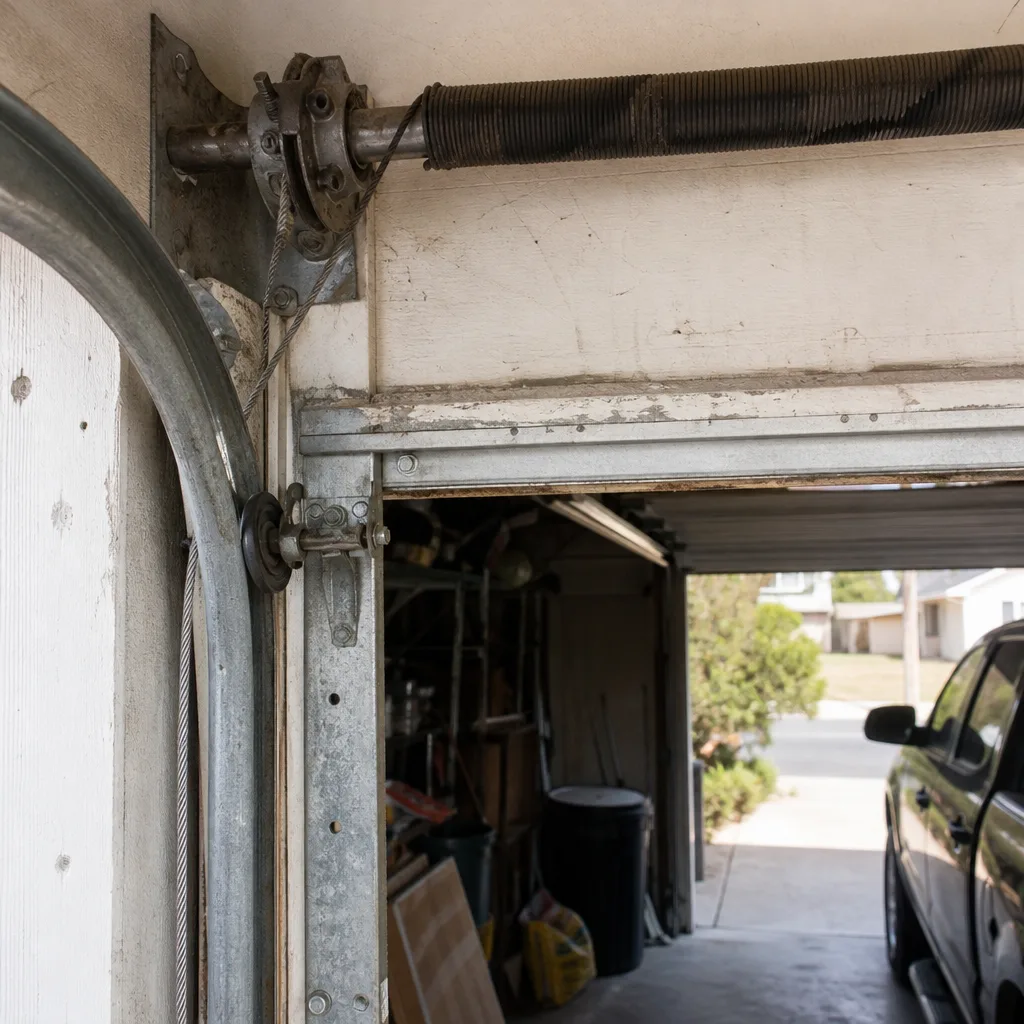 Before
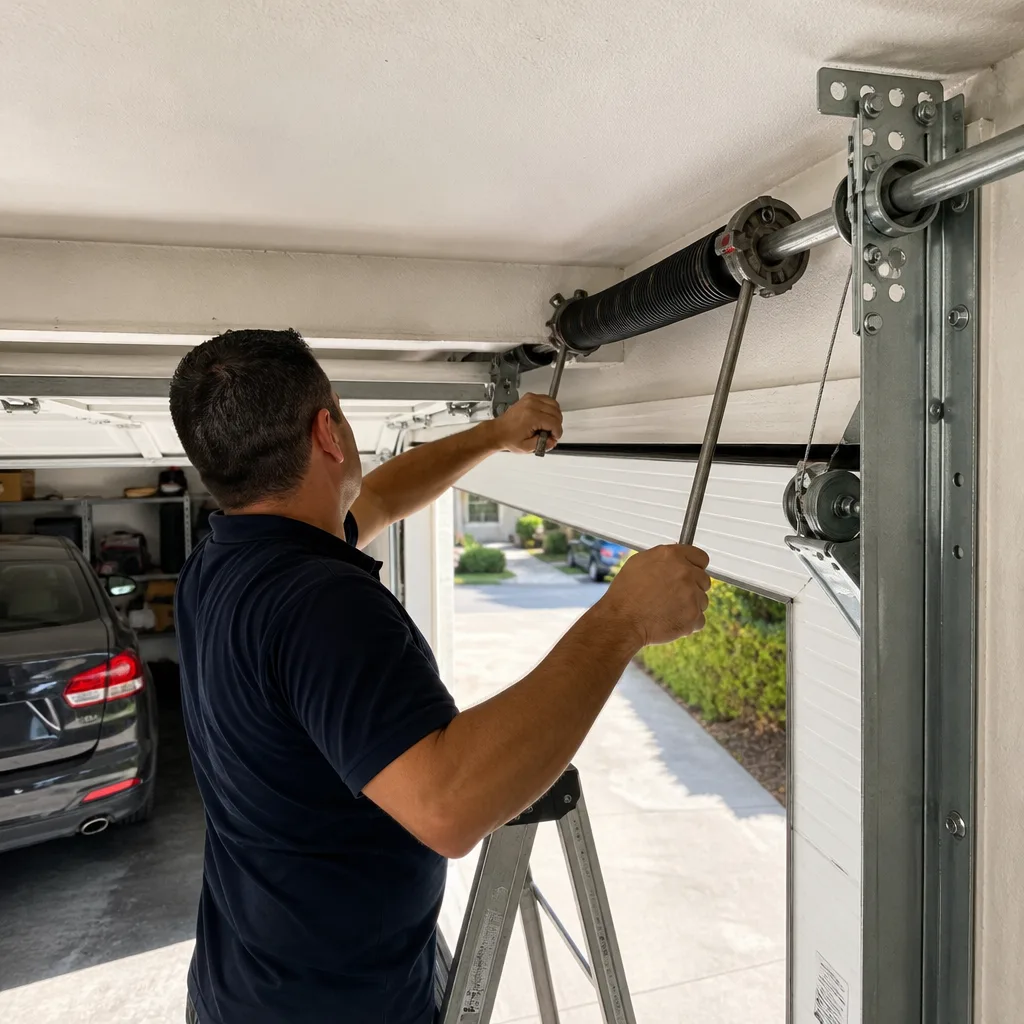 After
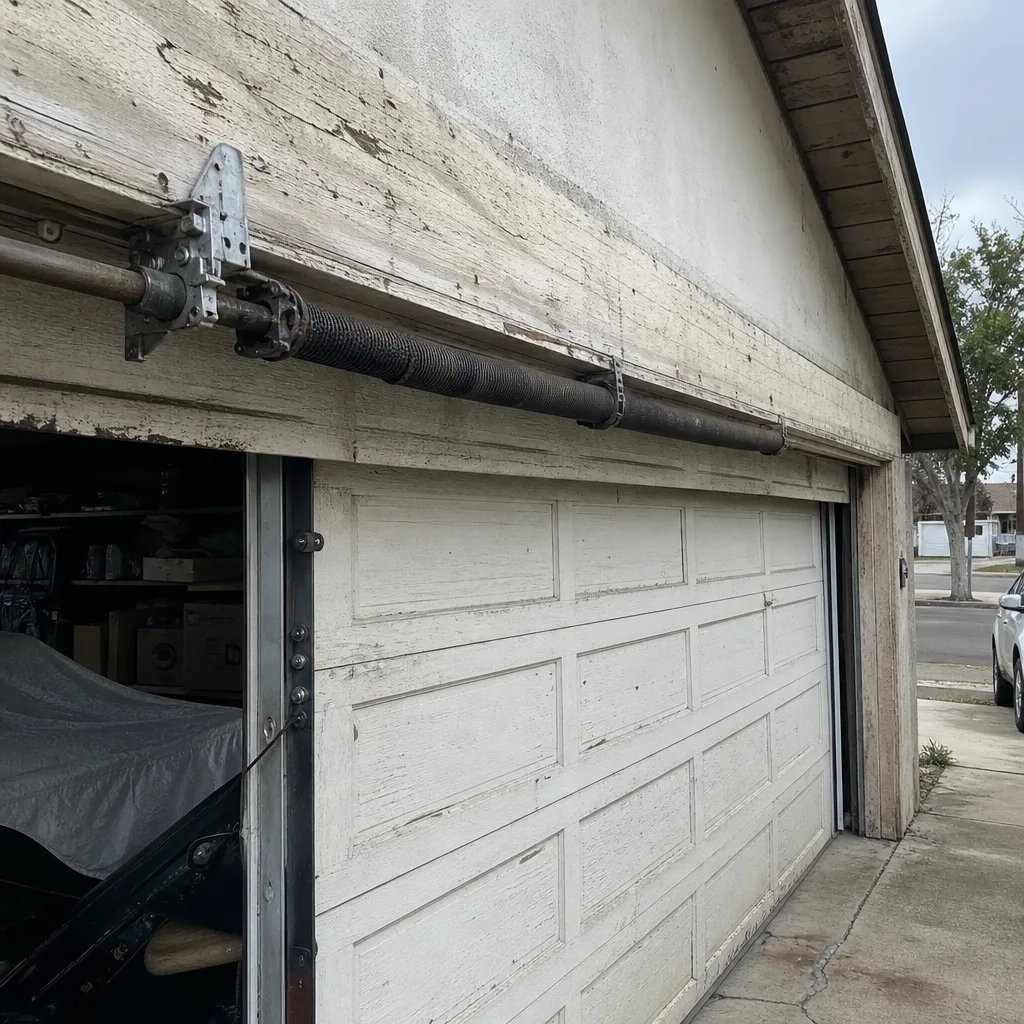 Before
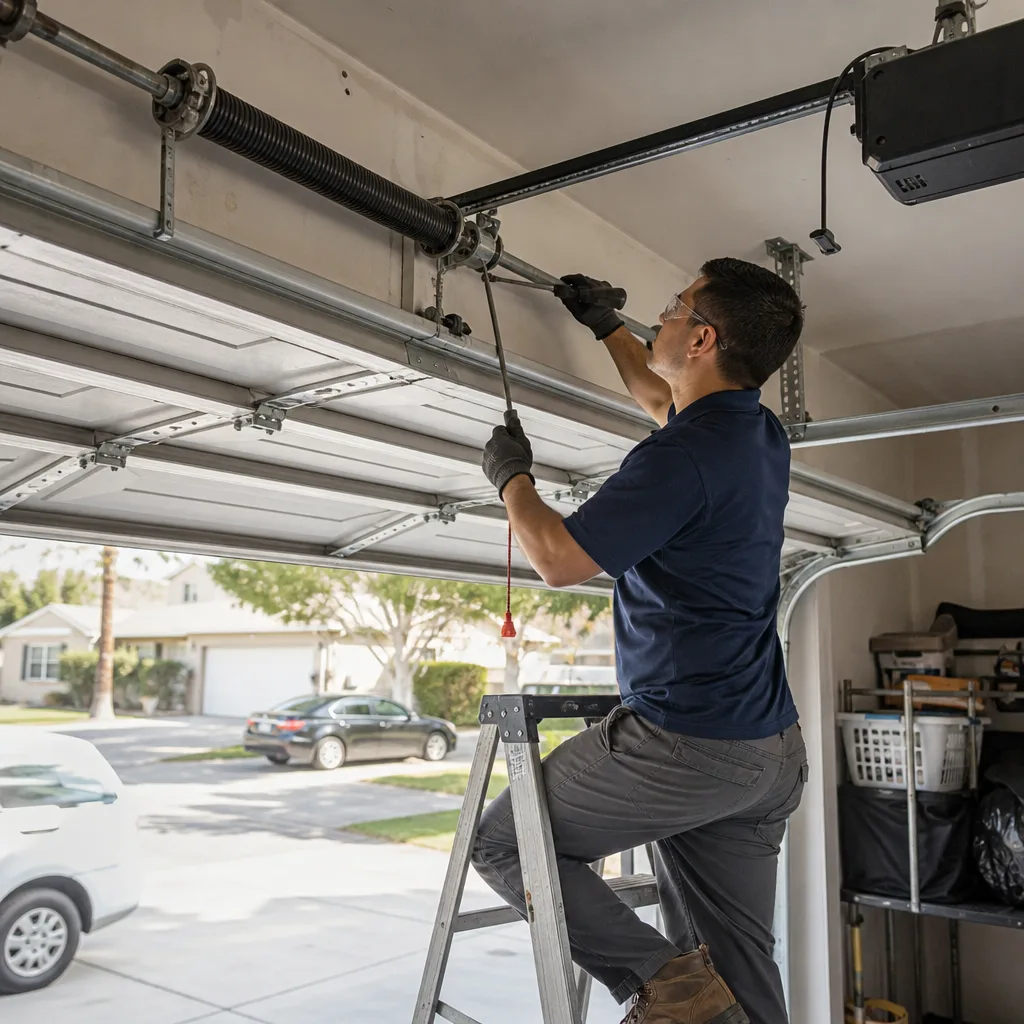 After
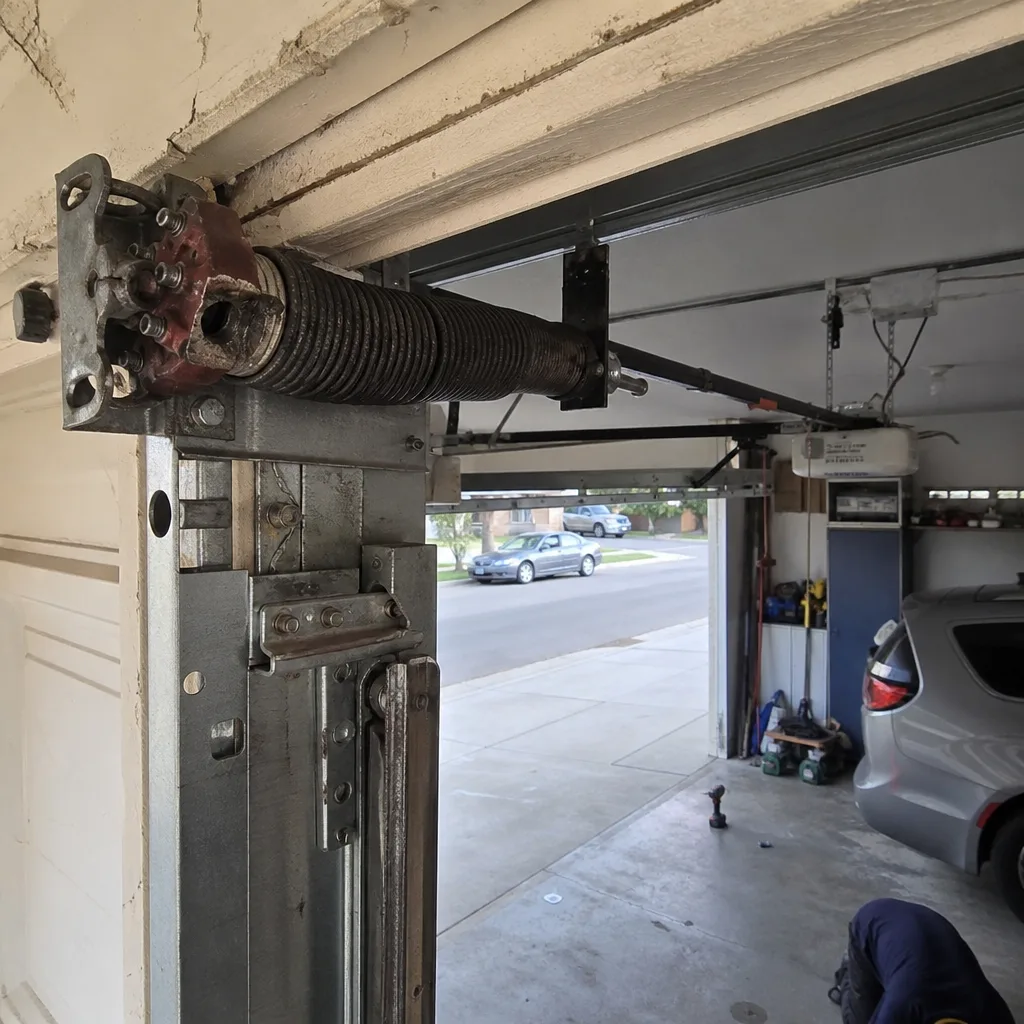 Before
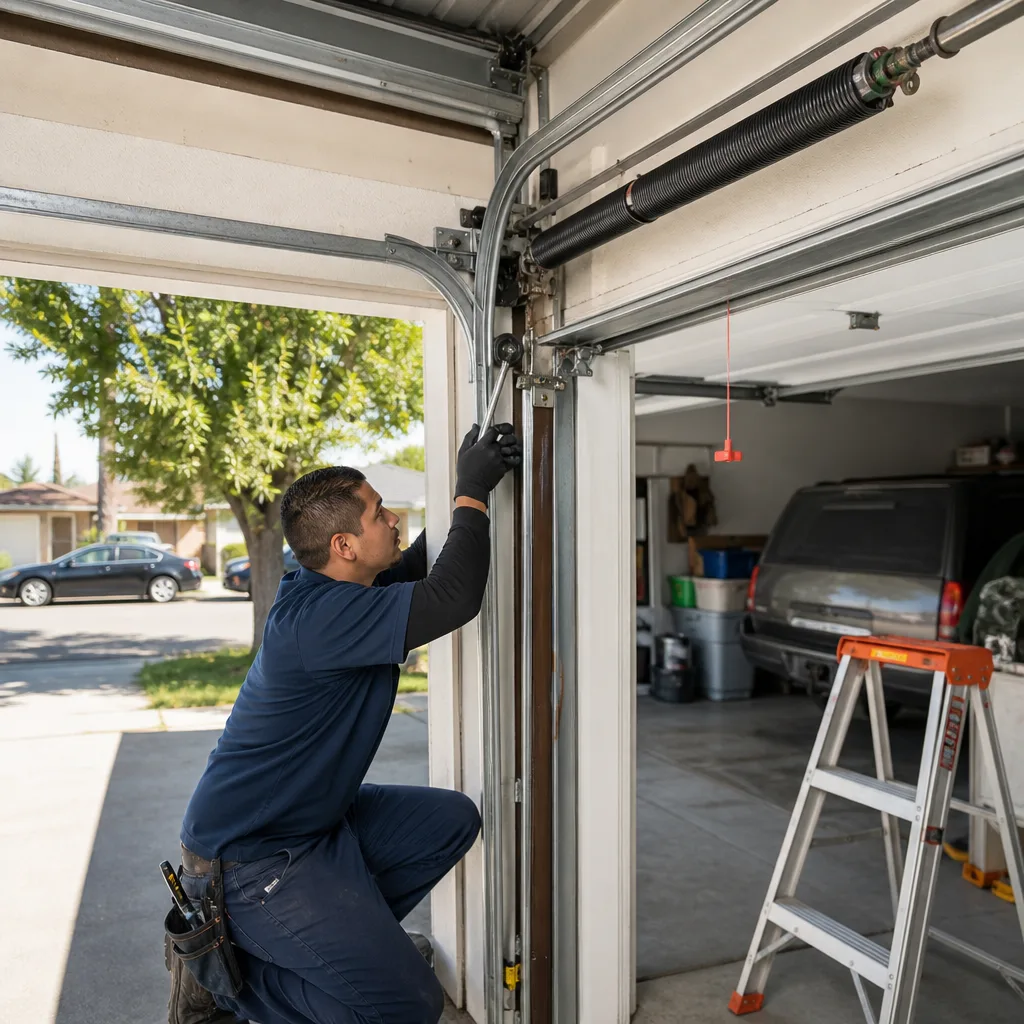 After