
Last updated November 2, 2026
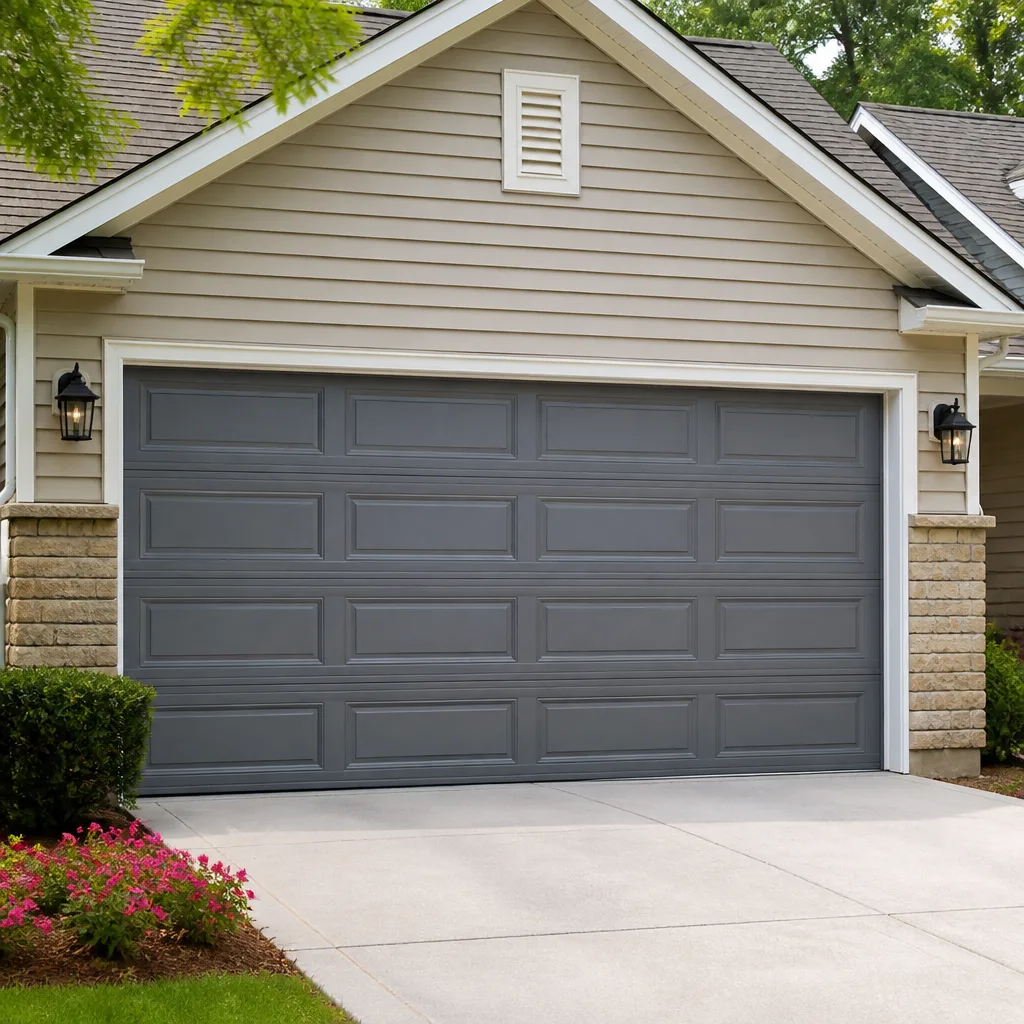 Raised-panel steel
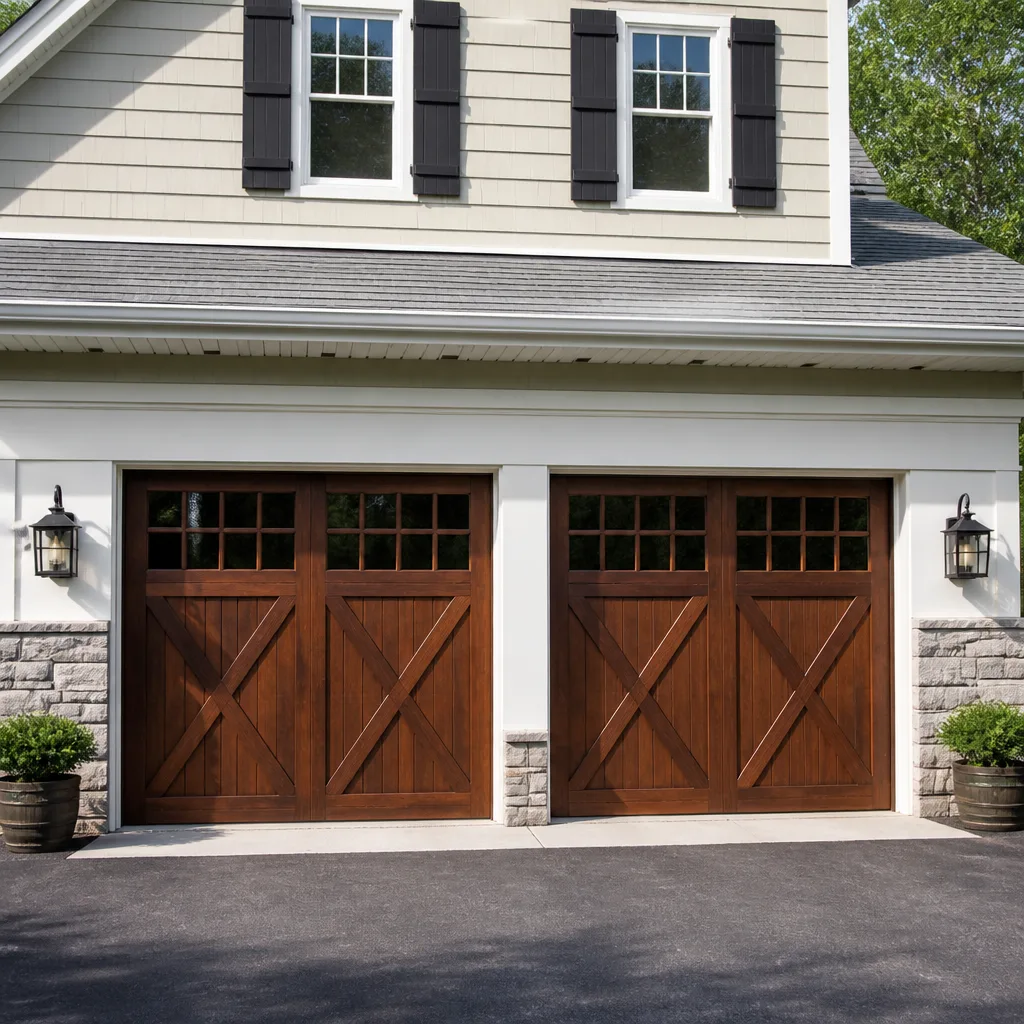 Carriage house
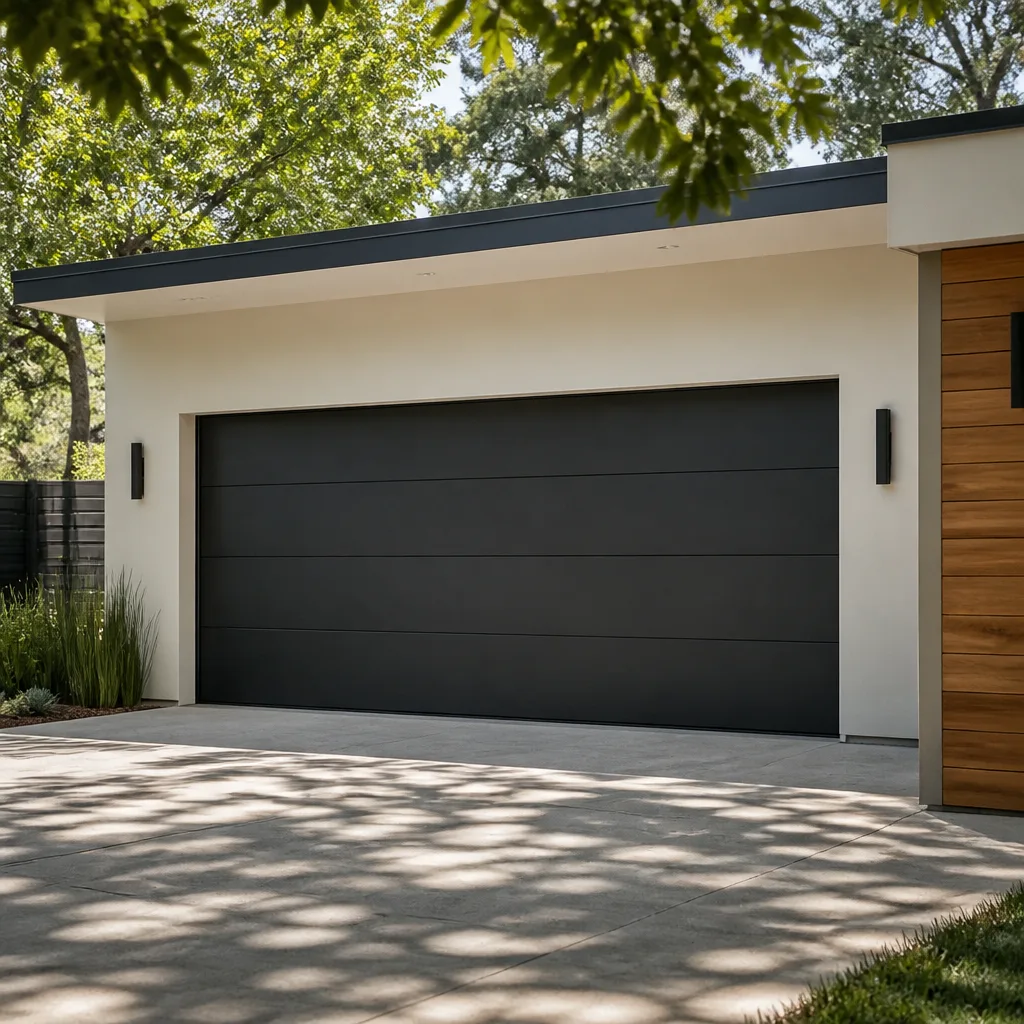 Modern flush
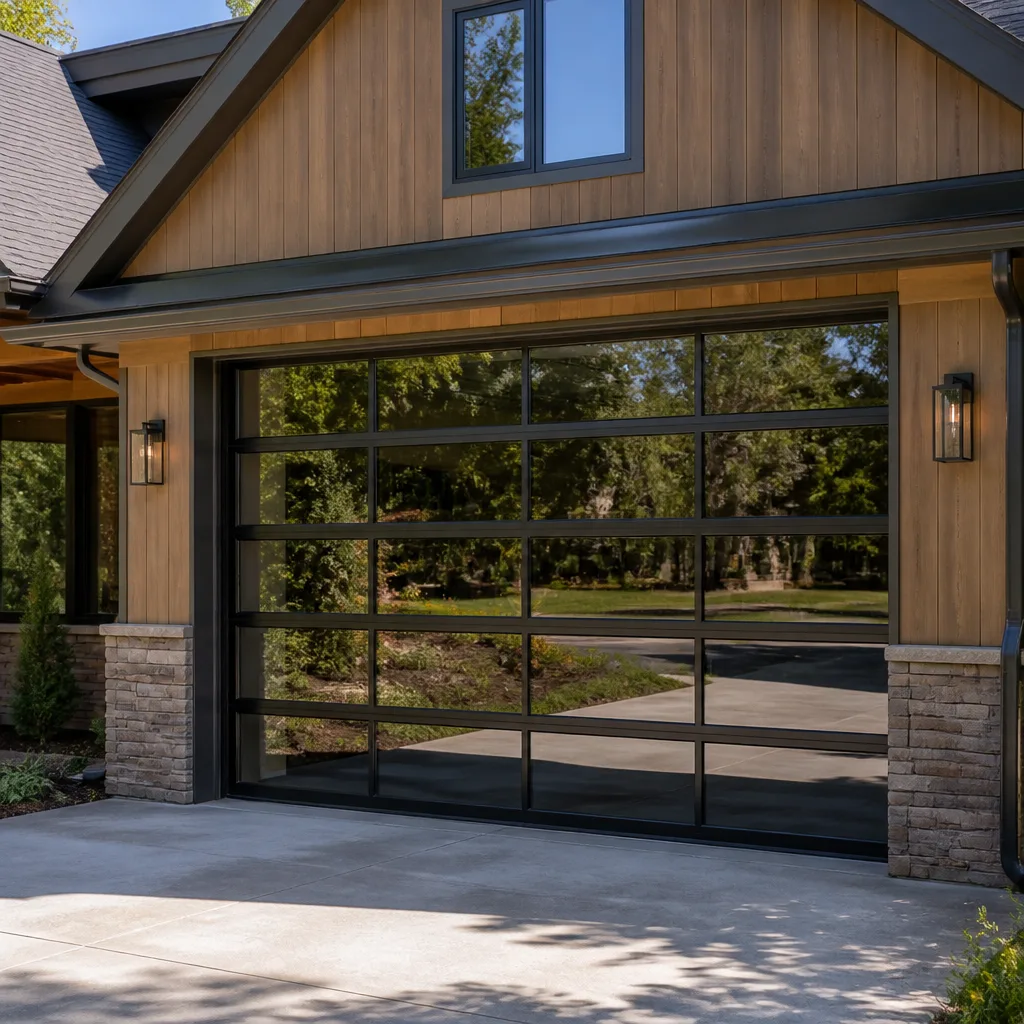 Full-view glass
 LiftMaster openers
 Chamberlain openers
Full 25-point door and opener safety check with every visit - springs, cables, rollers, tracks, and your LiftMaster or Chamberlain opener included
You get a price before we start. It does not change when the truck arrives.
Get your free estimateGarage Door Repair Maintenance Checklist for Panorama City Homeowners
The number one cause of premature spring failure isn’t age. It’s skipped lubrication on doors that run 4-6 times per day, which is the average cycle count in a household with two working adults. That’s roughly 1,800 open-close cycles a year, and most springs are rated for 10,000. Do the math: an unlubricated door eats through its rated lifespan years ahead of schedule, and Panorama City homeowners pay for it every time. This guide covers a maintenance checklist built for this specific climate, near the 405 and 118 corridors, where dust and sun work against your door in ways a generic online checklist never mentions. You’ll learn what to lubricate, what to clean, when to replace, and how to test your springs without touching dangerous hardware.
Styles & brands we work with
- Raised-panel steel
- Carriage house
- Modern flush
- Full-view glass
- LiftMaster openers
- Chamberlain openers
Quick Answer
A proper garage door maintenance checklist for Panorama City homes includes monthly track and sensor cleaning due to freeway dust, quarterly lubrication of rollers and hinges, semi-annual weatherstripping inspection for UV damage, and an annual spring tension test. Doors that get 1,800-2,200 cycles per year need lubrication on a cycle-based schedule, not just a calendar one. Most repairs we see in Panorama City stem from two preventable problems: dust-contaminated tracks and sun-baked rubber seals.
Table of Contents
- Cycle-Based Maintenance: Why Your Door’s Odometer Matters More Than the Calendar
- Lubrication Points by Component: What Gets Lithium Grease, What Gets Silicone, What Gets Nothing
- Freeway Dust and Track Contamination: The 405/118 Effect on Panorama City Doors
- UV Weatherstripping Degradation: South- and West-Facing Doors in the San Fernando Valley Sun
- The Safe Torsion Spring Tension Test: What Homeowners Can Check Without Touching Hardware
- The 15-Minute Monthly Checklist for Panorama City Homes
- Common Mistakes to Avoid
- When to Call a Professional
- Frequently Asked Questions
- The Bottom Line
Cycle-Based Maintenance: Why Your Door’s Odometer Matters More Than the Calendar
Every garage door has two ages: how long it’s been installed and how many times it’s actually opened and closed. The second number matters more. A door in a Panorama City household with two working adults and a teenager will cycle 4-6 times on a weekday, more on weekends. That’s roughly 1,800-2,200 cycles a year. The same door in a retired couple’s home might see 400. Same calendar age, wildly different wear.
Here’s how to estimate your door’s annual cycle count:
- Count your daily cycles for one week. A full open-and-close is one cycle. Morning departure, return from work, evening errand, kid’s practice run – each counts.
- Multiply your weekly total by 52. That’s your annual load.
- Compare against component ratings:
- Torsion springs: typically 10,000-20,000 cycles depending on the wire gauge and coating. At 2,000 cycles a year, a standard 10,000-cycle spring lasts about 5 years before cracking becomes likely.
- Rollers: steel rollers with ball bearings run 7-10 years under heavy use. Nylon rollers with sealed bearings run 12-15.
- Cables: 8-12 years depending on tension and whether the door sits crooked.
- Opener gear and sprocket: 10-15 years on a Chamberlain or LiftMaster unit that gets regular lubrication of the drive screw or rail.
In our experience, doors off the 405 corridor accumulate dust faster than doors in the hills, which means cycle-based lubrication schedules need to be adjusted up for Panorama City homeowners living in the flats. More on that in the dust section below. The rule of thumb remains: every 1,000 cycles, lubricate. For most Panorama City homes, that’s every 5-6 months, not every 12. If you’d rather leave the math to someone who does this daily, Garage Door Repair in Panorama City includes a full component assessment with every service call.
Lubrication Points by Component: What Gets Lithium Grease, What Gets Silicone, What Gets Nothing
Most garage door maintenance advice online says “lubricate the door.” That’s dangerously vague. The wrong lubricant in the wrong spot creates a gummy mess that attracts dust and accelerates wear. Here’s the component-by-component breakdown we use on every truck:
- Torsion springs (above the closed door): White lithium grease spray or garage-door-specific spring lubricant. Coat the coils lightly. Do not use WD-40 – it’s a solvent, not a lubricant, and it strips the protective coating that prevents coil-to-coil friction.
- Hinges (the metal arms between panels): Lithium grease or silicone spray at the pivot pins. A light dab on each side. Avoid overspray onto the door face itself.
- Rollers with metal stems (not the nylon wheel): Silicone spray at the stem where it enters the hinge barrel. A drop of household oil works too. Do not lubricate nylon roller wheels – they ride on sealed bearings, and oiling the wheel surface just attracts dust.
- Opener chain or belt (Chamberlain, LiftMaster, Genie units): Chains get a light coat of lithium grease once a year. Belts get nothing. Belts are fiber-reinforced and lubricating them causes slippage and fraying.
- Opener drive screw (older screw-drive Genie or LiftMaster models): White lithium grease along the screw thread. Wipe off the old grease first – it hardens over time and causes grinding.
- End bearing plates and spring anchor brackets: A drop of heavy oil or lithium grease at the pivot points. These are load-bearing and dry rapidly.
- Never lubricate: Track rails (the vertical and horizontal channels). They are not meant to be greased. Lubricating tracks reduces roller grip and causes the door to slip or bind. Clean tracks with a dry cloth instead. Also never lubricate the safety sensor lenses, the weatherstripping, or the bottom rubber seal – these need to stay dry and clean.
One more specific for this city: homes within a mile of the 405 or 118 freeways should wipe down lubrication points before re-applying, not just layer new lubricant on top. Freeway dust mixes with old grease and forms a paste that grinds against metal. If your door sounds like it’s groaning when it opens, the rollers or springs are dry and it’s been too long. Garage Door Opener Repair in Panorama City covers opener-specific lubrication issues, which are the most common source of door noise complaints we hear.
Freeway Dust and Track Contamination: The 405/118 Effect on Panorama City Doors
Panorama City sits in a dust bowl, plain and simple. The 405 runs along the western edge, the 118 cuts across the north, and the prevailing winds push fine particulate matter across the flats year-round. What that means for your garage door is this: the vertical tracks that guide your rollers accumulate a fine, gritty film that acts like sandpaper on your roller bearings. In coastal cities, tracks stay relatively clean for years. In Panorama City, we see track contamination within 3-4 months.
Here’s what the dust actually does to the system:
- Roller bearing wear accelerates. Dust gets into the ball bearings inside steel rollers, which are not sealed on budget doors. The bearings grind, then bind, then the roller flat-spots. A flat-spotted roller no longer spins – it slides – and that drag makes your opener work harder and your springs cycle under additional load.
- Track friction increases. As dust builds in the vertical and curved tracks, the door’s movement stiffens. The opener’s motor compensates, drawing more amperage. On a LiftMaster or Chamberlain unit with a DC motor, that’s extra strain on the circuit board over time.
- The safety sensor lenses get hazy. The photo-eye sensors at the bottom of each track collect dust rapidly near the freeway. When the lens gets coated, the sensor can’t detect the beam, and the door refuses to close or reverses mid-close. This is one of the most common service calls we get in Panorama City, and it’s preventable in 60 seconds with a dry microfiber cloth.
The rule for Panorama City: wipe down your tracks and sensor lenses monthly if you’re within a mile of a freeway, every other month if you’re further into the neighborhood. Use a dry cloth or a lightly dampened one. No solvents, no degreasers inside the tracks – you’re cleaning, not stripping.
When to clean vs. replace rollers: if you wipe the roller and it spins freely, it’s fine. If it wobbles, feels gritty, or has visible flat spots on the wheel surface, it’s time to replace. Nylon rollers with sealed bearings handle Panorama City dust far better than steel, and upgrading is usually under $40 per roller including the bearing. If your door has been grinding for six months or more, the tracks may also need to be checked for scoring. We can assess track condition during any Garage Door Repair in Panorama City visit and tell you honestly whether cleaning extends the life or replacement makes more sense.
UV Weatherstripping Degradation: South- and West-Facing Doors in the San Fernando Valley Sun
The San Fernando Valley gets roughly 284 sunny days a year. That’s a blessing for your garden and a slow killer for your garage door’s rubber components. In Panorama City, doors that face south or west get direct afternoon sun from roughly 1pm to sunset, and the UV exposure degrades weatherstripping, bottom seals, and the rubber gasket around the door frame at a rate you won’t see in shaded canyons or coastal neighborhoods.
Here’s what to look for:
- Bottom seal (the rubber strip under the door): This is the first casualty. UV bakes it into a brittle, cracked line that lets dust, leaves, and pests under the door. Check it by closing the door and looking for daylight or dusty streaks along the floor. In Panorama City, south-facing doors typically need a replacement every 3-4 years versus 6-8 in shaded areas.
- Side and top weatherstripping (the vinyl strips along the frame): Look for fading, cracking, or gaps where the strip has pulled away from the jamb. The gap lets hot air in during summer, which matters in a city that routinely tops 90 degrees from June through September.
- Panel joint seals: The rubber seams between door panels dry out and shrink. You’ll see cracks in the seam or gaps where the panels meet. Water intrusion through these seams is a silent killer of wood and composite doors.
- The door face itself: On painted steel doors (common on Clopay and Amarr models installed in the Valley), UV fades and chalks the finish over 5-8 years. That’s cosmetic until the paint cracks and moisture reaches bare steel, at which point rust begins. Touch-up paint on a warm, dry day prevents a $1,500+ door replacement later.
The fix is straightforward but specific: use a rubber-safe silicone protectant, not Armor All or tire shine, which contain petroleum distillates that accelerate rubber breakdown. Apply it in spring and fall. If the seal is already cracked through or compressed flat, apply the protectant after you’ve replaced the strip – it won’t revive rubber that’s already dead. Homes in the western blocks of Panorama City, particularly those facing the 405, should inspect weatherstripping in April and October as a habit.
The Safe Torsion Spring Tension Test: What Homeowners Can Check Without Touching Hardware
Torsion springs are the most dangerous component on your garage door. They store enough energy to lift a 150-300 pound door, and that energy releases instantly when a spring breaks or when someone unqualified starts loosening set screws. We will not give you instructions for adjusting, removing, or “tightening” spring tension in this guide – that’s a job for a trained technician with the correct winding bars and an understanding of residual torque.
What you can do safely is a tension balance test, and it takes under a minute:
- Close the door completely. Disconnect the opener by pulling the red emergency release handle. This frees the door from the opener carriage.
- Manually lift the door halfway. Use the handle or bottom edge. If the door lifts smoothly with one hand and stays at the halfway point, your springs are balanced and carrying the correct load.
- Lift the door to three-quarters and release. The door should stay put. If it drops, the springs have lost tension and are weakening.
- Lower the door and test the full range. The door should feel consistent through the entire travel – no light spots or heavy spots.
If your door slams shut when released, or is noticeably heavier at one point, the springs are either fatigued or incorrectly tensioned. Do not attempt to compensate for weak springs by adding more. The door becomes unpredictable, and cables can snap under uneven load. This is a call-for-service situation. We see this frequently on doors installed in the 2000s in Panorama City – those torsion springs are past their rated life, and the balance test catches them before they break mid-cycle.
If you’re hearing a loud bang from the garage, that’s a spring that already broke. The door will be dead weight, and attempting to lift it manually can cause cable derailment or panel damage. At that point, call a technician. For anyone unsure about the test, a service visit that includes a spring assessment is the safer route, and our Garage Door Repair in Panorama City page explains what a full diagnostic covers.
The 15-Minute Monthly Checklist for Panorama City Homes
Here’s the whole routine boiled down to one pass. Do this monthly and you’ll catch 80% of problems before they take your door down.
- Visual sweep: Stand inside the garage with the door closed. Look at the springs, cables, hinges, and roller stems. Any rust, fraying, or a gap between the spring coils means wear is underway.
- Wipe the sensor lenses: Both photo-eyes, lower track level. Dry microfiber cloth. Takes 30 seconds and prevents phantom reversal issues.
- Wipe the track interiors: Vertical sections first, then the horizontal. Dry cloth, maybe slightly damp for stubborn grime. Do not oil.
- Listen while the door runs: Open and close it once. A smooth-running door is nearly silent apart from the opener motor. Grinding, scraping, or popping needs investigation.
- Check the bottom seal: Closed door, look along the floor line. Daylight visible through cracks or a compressed-flat seal means replacement time.
- Test the auto-reverse: Place a 2×4 on its side under the door’s path and close it. The door should reverse within 2 seconds of contact. This is a federal safety requirement and worth testing monthly.
- Glance at the opener belt or chain: A chain with visible slack, or a belt with frayed edges, needs adjustment before it snaps or jumps the sprocket.
That’s the entire responsibility. No special tools, no mechanical skill, and no dangerous interactions. If anything in the list turns up abnormal, make the call before it becomes a breakdown. The homeowners who do this monthly are the ones who never pay for emergency service. The ones who skip it are the ones we meet at 7am on a Monday with a door stuck half-open and a car trapped inside.
Common Mistakes to Avoid
- Spraying WD-40 on springs and call it maintenance. WD-40 is a water displacer and solvent. It cleans, then evaporates, leaving metal bare. Within weeks the spring is dry, noisy, and wearing faster than before you “lubricated” it. Use white lithium grease or a dedicated garage door lubricant.
- Lubricating the track rails. Greasy tracks are the fastest way to make your door louder and rougher. Rollers need friction against the track to spin correctly. Grease turns that track into a slide, and the door develops shimmy and bounce.
- Ignoring a noisy door because it still opens. A door that squeals or groans is telling you something is dry or wearing. By the time the noise stops, the component has usually failed. Noise is the cheapest repair warning you’ll ever get.
- Testing the auto-reverse with a soda can. The required test object is a 2×4 laid flat, which simulates a child or pet. If your door reverses on a can, it may still fail on a taller object. Test the way the safety standard requires.
- Re-greasing without cleaning first. In Panorama City specifically, layering new grease on top of freeway-dust-contaminated grease creates an abrasive paste. Wipe, then apply. Always.
- Thinking a door that’s 20 years old just needs “a tune-up.” Sometimes it does. But more often on doors that age, the springs, rollers, and cables are all approaching end of life, and the honest conversation is about replacement versus continued repair. A qualified tech will tell you which makes financial sense, and if you’re looking at a full replacement, Garage Door Installation in Panorama City covers what a modern install includes.
When to Call a Professional
If your door balance test fails, a spring shows a visible gap or rust line, the cables look frayed, or the door closed on an object without reversing, stop using the door and make a call. These are not tune-up items – they’re load-bearing failure indicators that can cascade into panel damage, opener burnout, or injury. Torsion spring work, cable replacement, and track realignment should always be handled by a trained technician with proper tools. Mesa Garage Door Service offers free estimates in Panorama City – call (833) 620-3545 and we’ll assess the door honestly, tell you what’s actually wrong, and quote the price before any work starts.
Frequently Asked Questions
Every 1,000 cycles, which for a typical Panorama City household equals every 5-6 months. If you’re within a mile of the 405 or 118, lubricate every 4-5 months and always wipe down the component before applying fresh lubricant. Most doors in this area need twice-a-year lubrication at minimum.
White lithium grease spray works best for torsion springs and opener chains in Panorama City’s heat, because it stays put above 100 degrees. Silicone spray suits hinges and roller stems. Avoid WD-40 and any penetrating oil – they evaporate quickly in Valley heat and leave metal unprotected.
In most cases near the freeway, the photo-eye sensor lenses are coated with dust film and can’t see the beam. Wipe both lenses with a dry cloth. If the reversal persists after cleaning, the sensors may be misaligned, or the circuit board in the opener is interpreting voltage fluctuation as an obstruction signal. A technician can diagnose which it is in under 20 minutes.
Standard torsion springs rated for 10,000 cycles last about 5 years in a typical two-car household that cycles the door 2,000 times a year. Higher-cycle springs rated for 20,000 cycles run 10 years. The cycle count matters more than the calendar year, so a garage used 8 times a day wears springs out in 3-4 years.
On most doors, yes – bottom seals slide out of a retainer channel and a new one slides in. The job takes 15 minutes and requires no tools beyond a flathead screwdriver and a utility knife. The harder question is which seal profile fits your door, since Clopay, Amarr, and Wayne Dalton doors use different retainers. If the seal cracks again within a year, you’ve got the wrong profile.
Heat expansion. The metal panels and tracks expand in 90-plus degree heat, tightening the roller-to-track clearance and making every minor misalignment more audible. If the noise disappears in the evening when temperatures drop, it’s thermal expansion. If it stays loud, the rollers or springs need attention. We see this pattern all through the San Fernando Valley every June through September.
The Bottom Line
Panorama City garage doors face two specific enemies: the dust that blows off the 405 and 118 corridors, and the UV that bakes south- and west-facing doors through the Valley summer. A maintenance routine built for those conditions – monthly track and sensor cleaning, cycle-based lubrication every 5-6 months, seasonal weatherstripping checks, and an annual spring balance test – prevents the breakdowns that strand cars in driveways and turn $80 maintenance into $500 repairs. If any of the checks in this guide turn up something wrong, or if you’d rather have a trained eye on the system once a year, call Mesa Garage Door Service at (833) 620-3545. We know this neighborhood’s doors, we know the brands on them, and we’ll tell you straight whether a repair or replacement makes sense.
Written by the team at Mesa Garage Door Service home, serving Panorama City since 2012.
See the difference
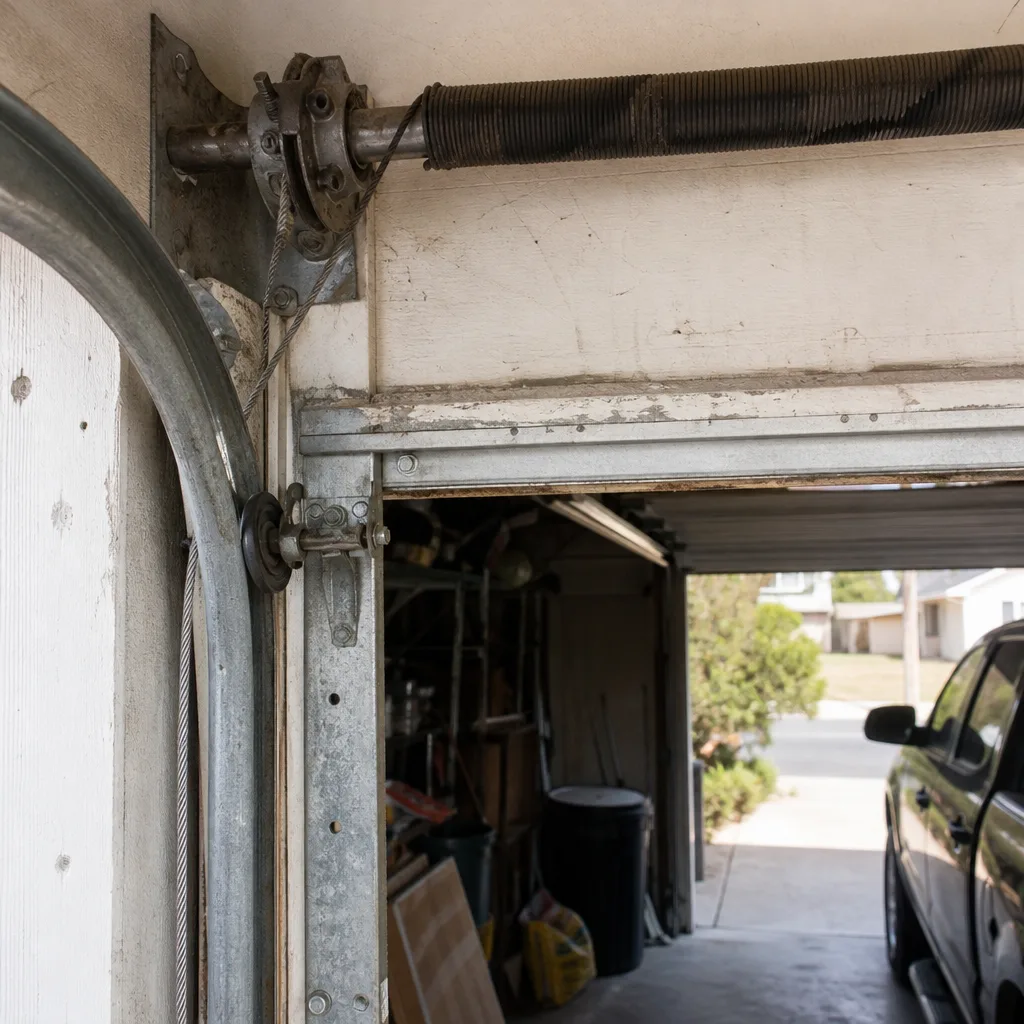 Before
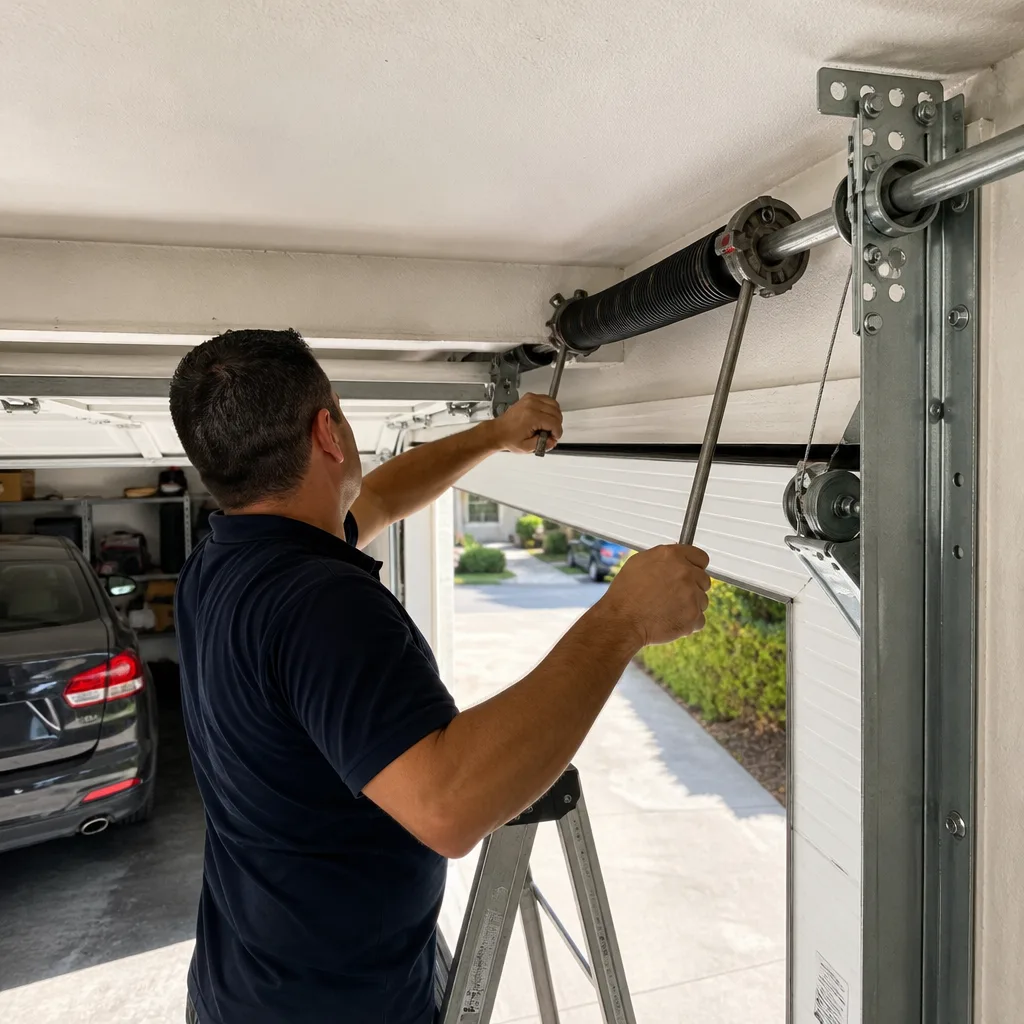 After
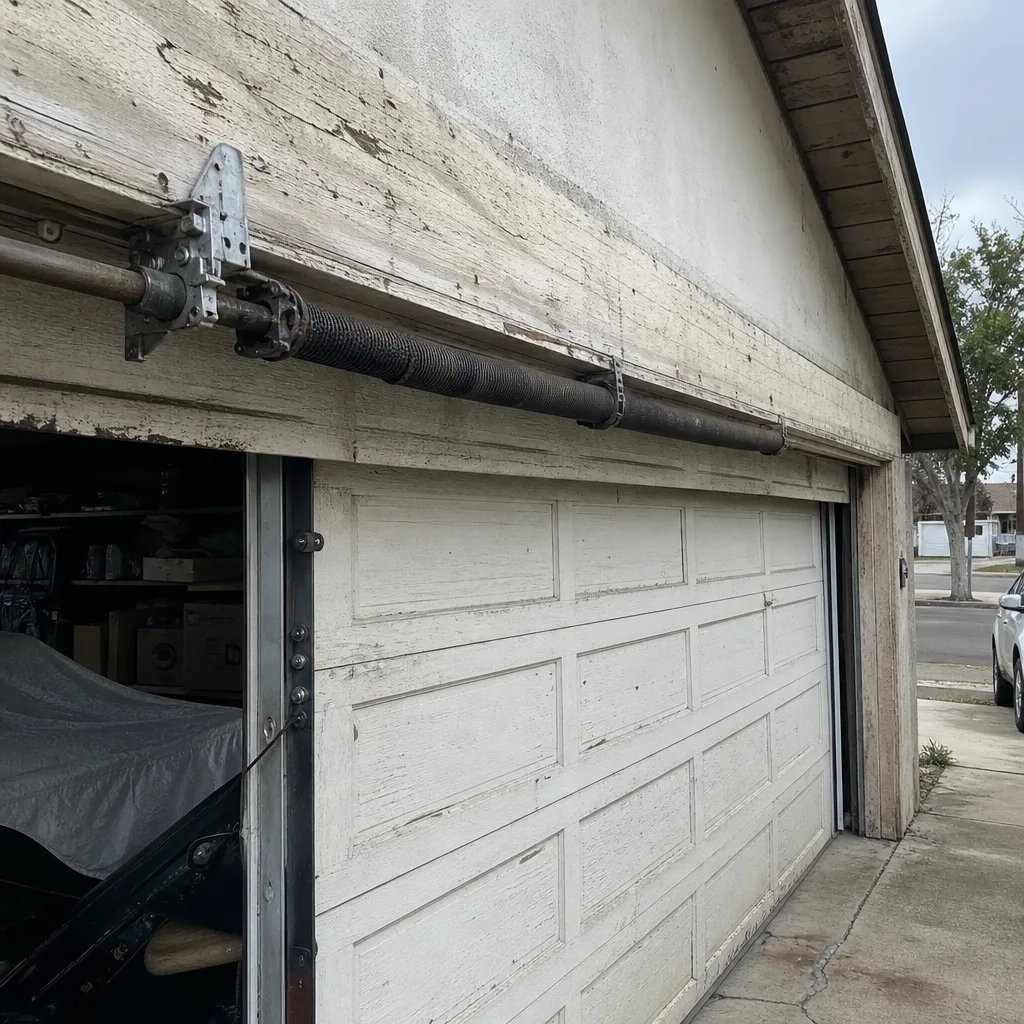 Before
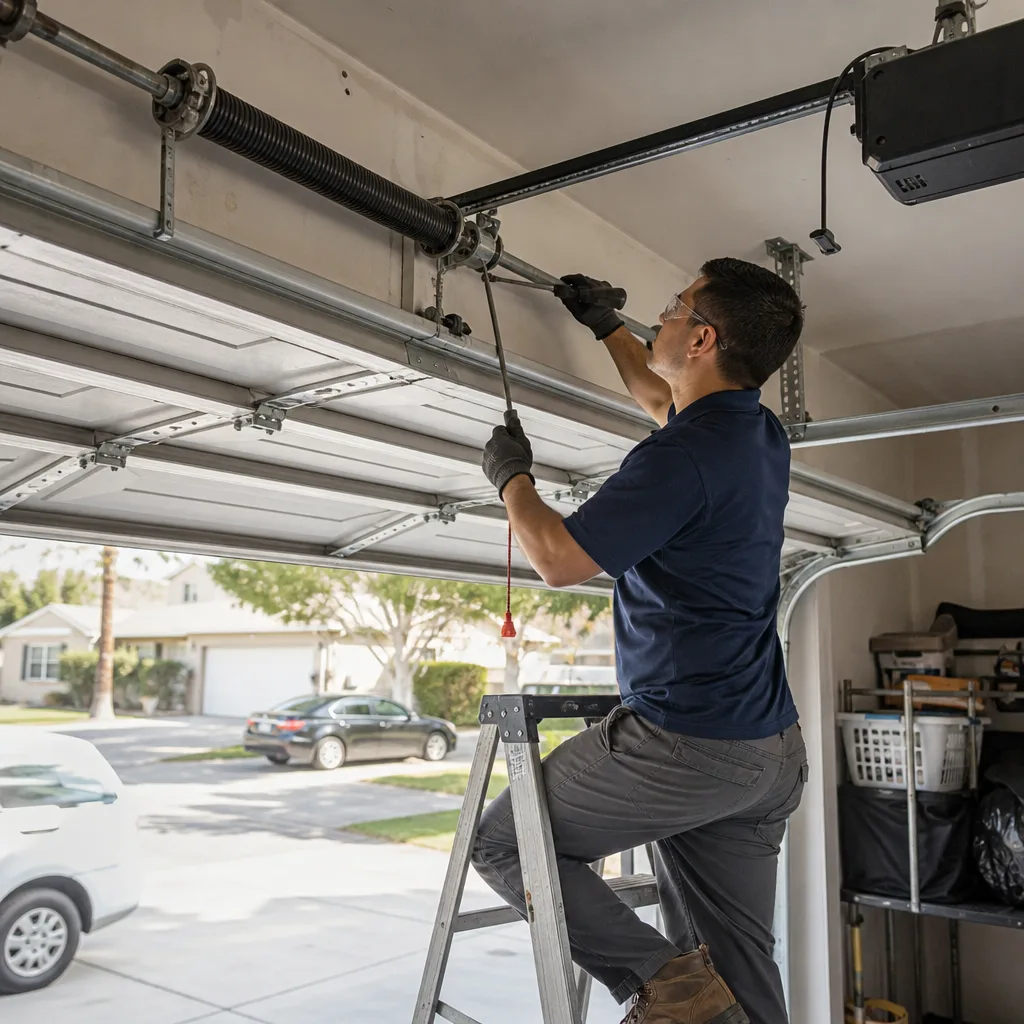 After
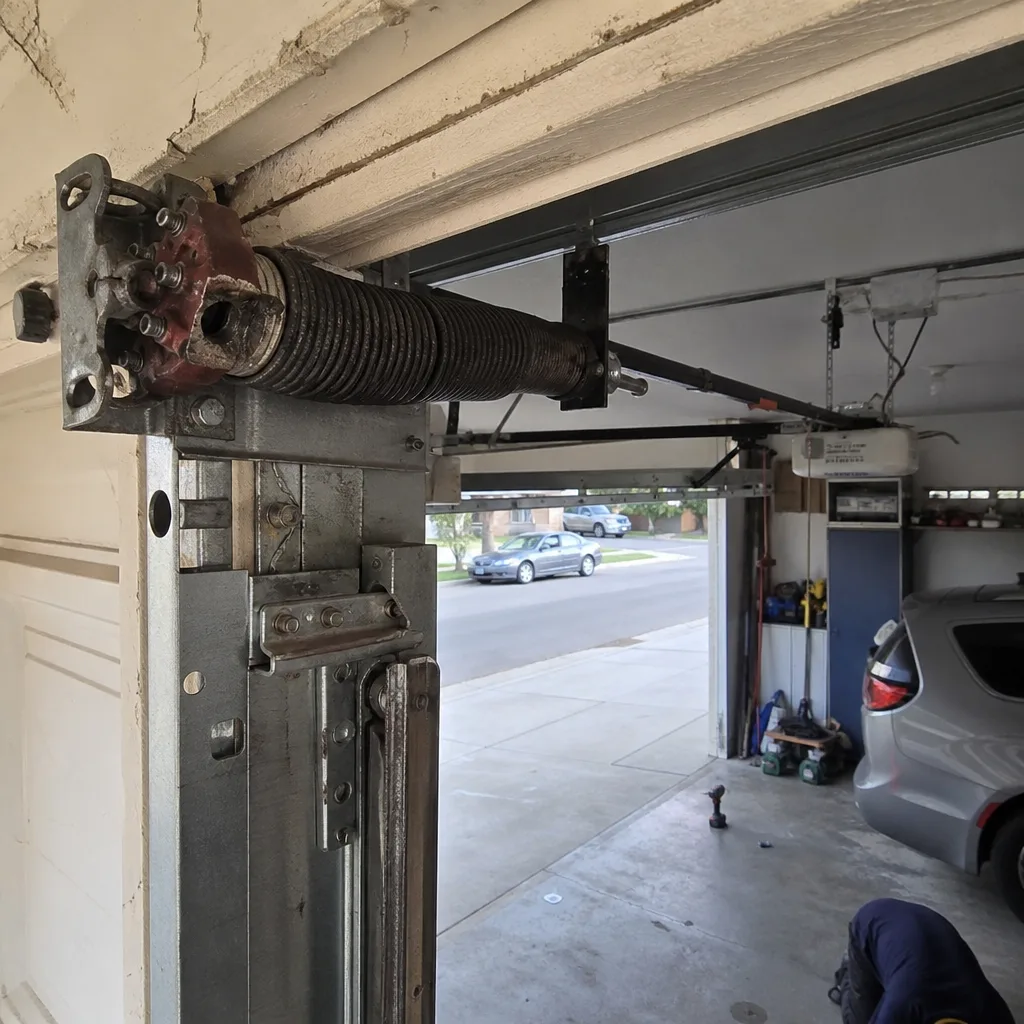 Before
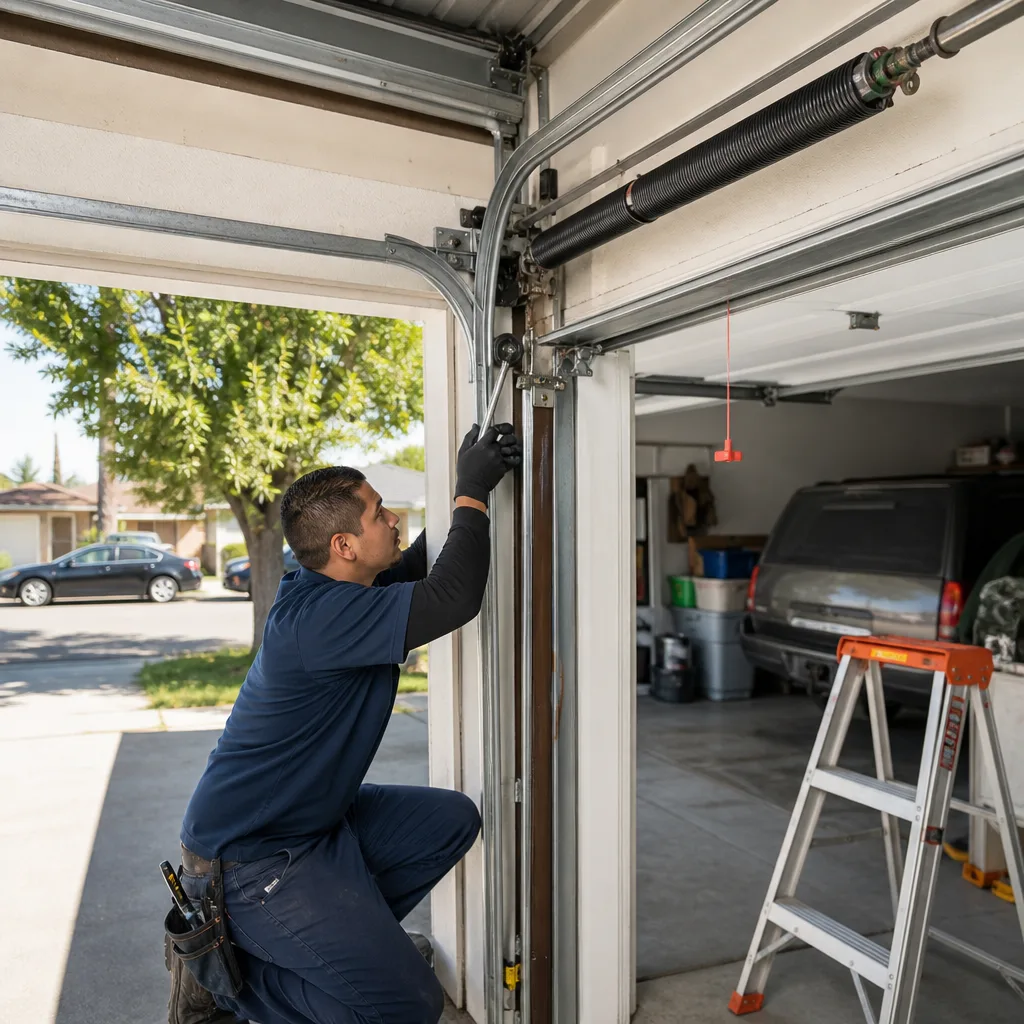 After